



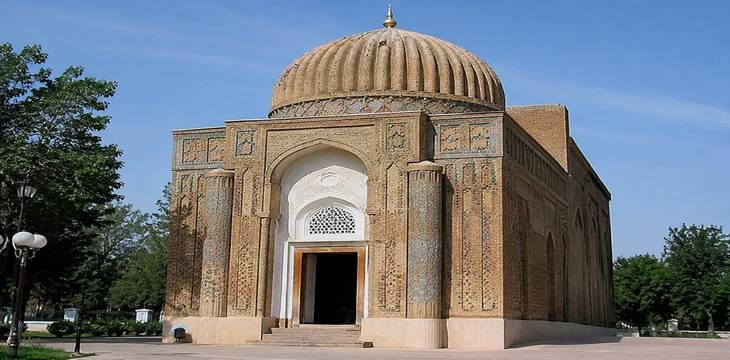
The Mausoleum of St. Daniel in Samarkand is a unique shrine of three world religions
Planning tour to Uzbekistan, many tourists strive to see not only the famous Registan, Shahi-Zinda complex or Gur-Emir, but also to visit one of the most unusual shrines of Central Asia - the Mausoleum of St. Daniel in Samarkand.
This place attracts pilgrims and travelers from all over the world due to its unique history. Saint Daniel is revered by Muslims, Christians and Jews at the same time, which makes the mausoleum a symbol of interreligious harmony and spiritual unity.
Today, the mausoleum is one of the most visited attractions in Samarkand and is definitely included in most excursion routes around the city.
Who is Khoja Danier (Saint Daniel)
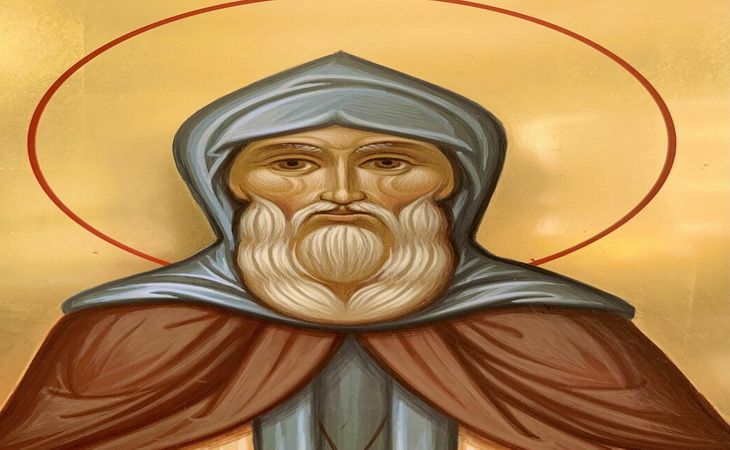
Saint Daniel (Prophet Daniel) is one of the most famous Old Testament prophets.
He is revered:
- in Christianity;
- in Islam;
- in Judaism.
According to legend, the prophet had the gift of interpreting dreams and predictions. His name is associated with numerous legends and miracles.
That is why the mausoleum in Samarkand is considered a unique religious site of world significance.
History of the Mausoleum of St. Daniel
There are several versions of the appearance of the shrine.
The most common legend says that the remains of the prophet were brought to Samarkand by order of the great commander Amir Temur after one of his campaigns.
According to legend, the shrine was supposed to bring prosperity and protection to the city.
Subsequently, a mausoleum was erected over the burial site, which was repeatedly rebuilt and expanded.
The current appearance of the complex was formed in the 19th–20th centuries.
Why is the tomb of St. Daniel so long?
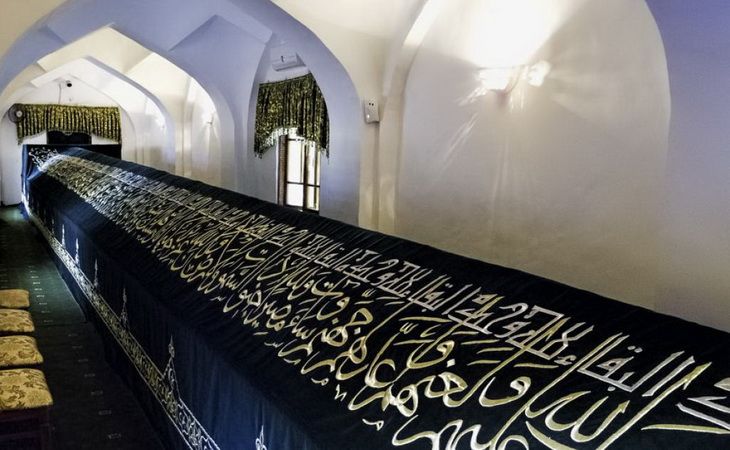
The main mystery of the mausoleum is the unusual length of the sarcophagus.
The tomb is about 18 meters long.
Several legends are associated with this:
- the prophet's remains continue to grow;
- the burial does not contain the whole body, but only part of it;
- the length symbolizes the greatness of the prophet.
None of the versions has been historically confirmed, but it is this feature that attracts thousands of tourists every year.
What to see on the territory of the mausoleum
Main mausoleum
The main building is made in traditional oriental style.
Inside is the famous long tomb of St. Daniel, which is visited daily by pilgrims and tourists.
The calm atmosphere of the complex is conducive to contemplation and acquaintance with the spiritual history of Samarkand.
Holy spring
Next to the mausoleum there is a spring, the water of which is considered healing.
Many visitors take it with them.
The source is an important part of the pilgrimage tradition.
Ancient pistachio tree
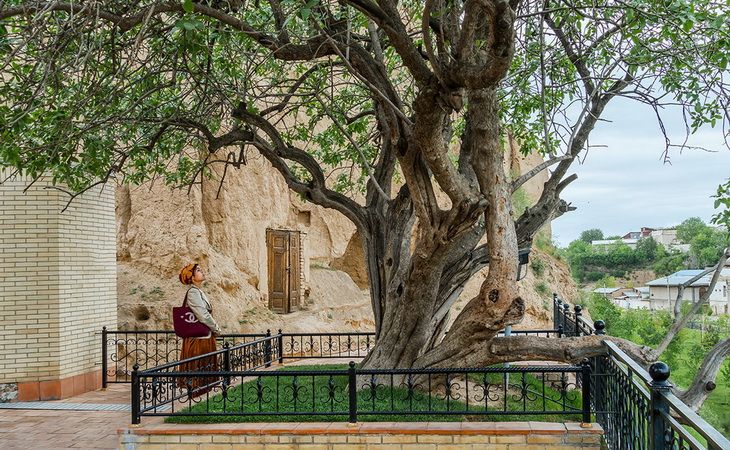
The famous pistachio tree grows on the territory of the complex.
According to local legends, it was considered dry for a long time, but came to life again after the visit of Samarkand by the head of the Roman Catholic Church.
Today the tree is considered one of the symbols of the shrine.
Observation deck
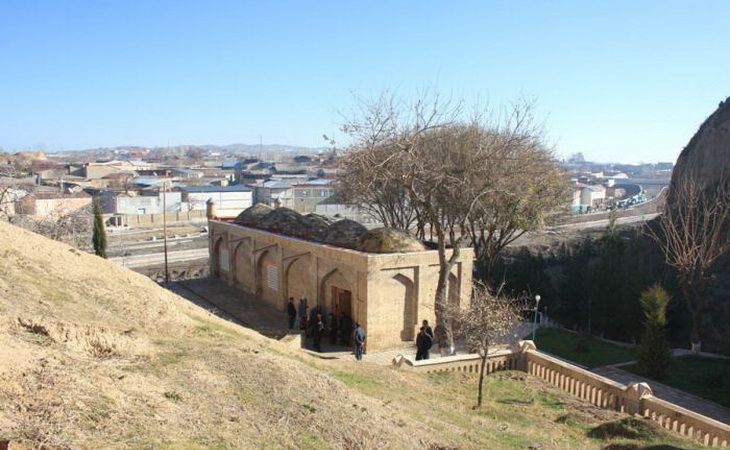
The complex is located in a picturesque part of the city near the Siab River.
From here you can enjoy beautiful views of the outskirts of Samarkand and the archaeological complex of Afrosiab.
Why do tourists always visit the mausoleum?
The Mausoleum of St. Daniel differs from most architectural monuments of Samarkand.
Tourists are attracted here by:
- unique religious history;
- unusual 18-meter tomb;
- picturesque location;
- an atmosphere of spiritual calm;
- the opportunity to touch a shrine revered by representatives of three world religions.
That is why the object is included in almost all sightseeing tours of Samarkand.
Opening hours of the Mausoleum of St. Daniel
The complex is usually open daily.
Visiting hours
- daily: 08:00–18:00;
- During the high tourist season, visiting hours may be extended;
- The recommended duration of the tour is from 30 to 60 minutes.
Before your trip, it is advisable to check the current work schedule.
Cost of visits and excursions
Visiting the territory of the mausoleum is usually free or requires a symbolic contribution to the maintenance of the complex.
Estimated cost of excursion services:
- group tour of Samarkand - from 150,000 soums per person;
- individual excursion with a guide - from 700,000 soums per group;
- comprehensive tour of Samarkand with a visit to Registan, Shahi-Zinda, Gur-Emir and the Mausoleum of St. Daniel - at tour operator rates.
The cost may vary depending on the season and tour program.
How to get there
The mausoleum is located in the northeastern part of Samarkand near the ancient settlement of Afrosiab.
You can get there:
- by taxi from the city center in 10–15 minutes;
- as part of an excursion group;
- by tourist bus.
Most sightseeing tours of Samarkand include a visit to the mausoleum along with other main attractions of the city.
What to see nearby
After visiting the mausoleum, tourists usually go to the following attractions:
- Registan;
- Shahi Zinda;
- Gur-Emir;
- Ulugbek Observatory;
- Afrosiab;
- Bibi-Khanim Mosque;
- Siab Bazaar.
This program allows you to get acquainted with the main historical and spiritual monuments of Samarkand in one day.
Conclusion
The Mausoleum of St. Daniel is one of the most unusual and mysterious places in Samarkand. History, religion and legends intertwine here, creating a unique atmosphere that attracts tourists and pilgrims from all over the world.
If you are planning to buy tour to Uzbekistan or go to excursion around Samarkand, be sure to include a visit to the Mausoleum of St. Daniel in your itinerary. This place will allow you to see the other side of ancient Samarkand and make travel around Uzbekistan even more rich and memorable.














