



A shrine in the heart of Asia. How the Kiswah of the Kaaba in Tashkent gives Uzbeks a "virtual" pilgrimage
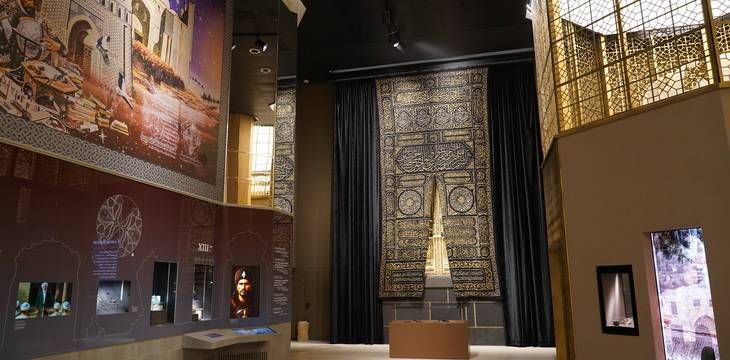
The chance to see the Kiswa (the covering of the Kaaba) at the Center of Islamic Civilization in Tashkent can feel like a special, almost "virtual pilgrimage" for many believers.
According to reports, a fragment of the Kiswa — the sacred cloth that covers the door of the Kaaba each year — was brought to Tashkent from Saudi Arabia at the initiative of the President of Uzbekistan. This fragment has become part of the museum collection of the Center of Islamic Civilization, which is due to open soon (construction is in its final stages).
.jpg)
The Kiswa is a black silk cloth embroidered with gold threads. Since it symbolizes the heart of the Islamic world and is an integral part of the Kaaba in Mecca, its presence in the Tashkent museum — itself intended to become a major international center for studying and promoting the rich heritage of Islamic civilization — carries great spiritual and cultural significance.
Besides the Kiswa, the Center plans to exhibit other unique relics, including the Uthmanic Quran (one of the oldest in the world).
"}{"content":"The chance to see the Kiswa (the covering of the Kaaba) at the Center of Islamic Civilization in Tashkent can feel like a special, almost "virtual pilgrimage" for many believers.
According to reports, a fragment of the Kiswa — the sacred cloth that covers the door of the Kaaba each year — was brought to Tashkent from Saudi Arabia at the initiative of the President of Uzbekistan. This fragment has become part of the museum collection of the Center of Islamic Civilization, which is due to open soon (construction is in its final stages).
The Kiswa is a black silk cloth embroidered with gold threads. Since it symbolizes the heart of the Islamic world and is an integral part of the Kaaba in Mecca, its presence in the Tashkent museum — itself intended to become a major international center for studying and promoting the rich heritage of Islamic civilization — carries great spiritual and cultural significance.
Besides the Kiswa, the Center plans to exhibit other unique relics, including the Uthmanic Quran (one of the oldest in the world).














