



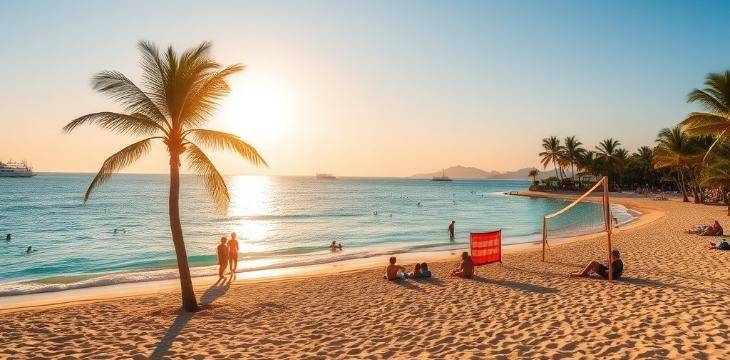
Salalah — the new beach favourite
Salalah is really gaining popularity and becoming a new favorite among beach lovers. It's the second largest city in Oman, located in the south of the country, and it's known for its gorgeous white-sand beaches, lush greenery (especially in the monsoon season called "Kharif") and rich history.
Here’s what makes Salalah so appealing:
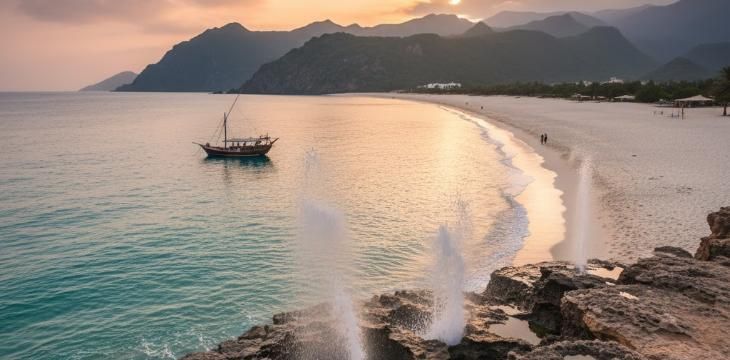
- Picturesque beaches like Al Haffa (Al Haffa), Al Mughsail (Al Mughsail) with its famous sea geysers (blowholes), and the secluded Al Fazayah (Al Fazayah).
- Unlike most of the Arabian Peninsula, Salalah during the Kharif season (roughly June to September) turns green and cool because of monsoon rains and fog, which draws travelers looking to escape the heat.
- Salalah is in Dhofar province, which was historically a center of the frankincense trade. You can visit the Al-Balid archaeological park and the Museum of the Land of Frankincense.
- Salalah’s beaches are generally less crowded than some other popular tourist spots, offering a more relaxed and peaceful getaway.
Why Salalah is called a great alternative to Phuket and Phu Quoc
Salalah (Oman) really stands out compared to popular Asian destinations, offering a different kind of beach holiday. The main differences are atmosphere, seasonality, and unique nature.
Here are the main reasons why Salalah is a great alternative to Phuket and Phu Quoc:
1. Atmosphere and authenticity
Salalah (Oman) | Phuket (Thailand) / Phu Quoc (Vietnam) |
|---|---|
| Authentic Arabian charm. You immerse yourself in a unique Omani culture known for its hospitality and the history of frankincense. | The typical Southeast Asian vibe with a strong influence of mass tourism and a focus on entertainment. |
| Calm and seclusion. Salalah isn’t overrun by tourists — there’s no "tourist conveyor belt" here. It’s easy to find secluded beaches. | In Phuket and, increasingly, on Phu Quoc — crowded, especially in high season, with noisy markets and lively nightlife. |
| High level of safety. Oman is known as one of the safest countries in the region. |
2. The ideal season to visit
Salalah (Oman) | Phuket (Thailand) / Phu Quoc (Vietnam) |
|---|---|
| High season: October - April. It’s dry, sunny and comfortable, with air temperatures around +28°C…+32°C. | High season: November - Feb/March. Hot and humid climate, with the risk of seasonal monsoons and rains in the "low" season (May to October). |
| The unique "Kharif" (monsoon): June - September. During this time Salalah becomes a green oasis with fog and coolness, attracting travelers escaping the summer heat. |
3. Nature and variety
Salalah (Oman) | Phuket (Thailand) / Phu Quoc (Vietnam) |
|---|---|
| A mix of beaches, mountains and greenery. You can combine beach time with nature walks in the Dhofar mountains and visits to waterfalls (in the Kharif season). | Mainly focused on beaches, islands, boat trips and tropical jungles. |
| Unique natural sights. For example, the famous Al Mughsail geysers (blowholes) and scenic coves surrounded by cliffs. | |
| Rich cultural heritage. Archaeological sites linked to the frankincense trade and historic forts. | Known for their ancient temples and vibrant Asian culture. |
If you’re after a destination with less mass tourism, want some seclusion, crave powder-white beaches and want to experience authentic Arab culture in a winter season comfortable for Europeans — Salalah will be an ideal choice.
Phuket and Phu Quoc are better for those who want developed infrastructure, lively nightlife and a distinct Asian vibe, even if that comes with possible tourist overcrowding.
Salalah is really gaining popularity and becoming a new favorite among beach lovers. It's the second largest city in Oman, located in the south of the country, and it's known for its gorgeous white-sand beaches, lush greenery (especially in the monsoon season called "Kharif") and rich history.
Here’s what makes Salalah so appealing:
- Picturesque beaches like Al Haffa (Al Haffa), Al Mughsail (Al Mughsail) with its famous sea geysers (blowholes), and the secluded Al Fazayah (Al Fazayah).
- Unlike most of the Arabian Peninsula, Salalah during the Kharif season (roughly June to September) turns green and cool because of monsoon rains and fog, which draws travelers looking to escape the heat.
- Salalah is in Dhofar province, which was historically a center of the frankincense trade. You can visit the Al-Balid archaeological park and the Museum of the Land of Frankincense.
- Salalah’s beaches are generally less crowded than some other popular tourist spots, offering a more relaxed and peaceful getaway.
Why Salalah is called a great alternative to Phuket and Phu Quoc
Salalah (Oman) really stands out compared to popular Asian destinations, offering a different kind of beach holiday. The main differences are atmosphere, seasonality, and unique nature.
Here are the main reasons why Salalah is a great alternative to Phuket and Phu Quoc:
1. Atmosphere and authenticity
Salalah (Oman) | Phuket (Thailand) / Phu Quoc (Vietnam) |
|---|---|
| Authentic Arabian charm. You immerse yourself in a unique Omani culture known for its hospitality and the history of frankincense. | The typical Southeast Asian vibe with a strong influence of mass tourism and a focus on entertainment. |
| Calm and seclusion. Salalah isn’t overrun by tourists — there’s no "tourist conveyor belt" here. It’s easy to find secluded beaches. | In Phuket and, increasingly, on Phu Quoc — crowded, especially in high season, with noisy markets and lively nightlife. |
| High level of safety. Oman is known as one of the safest countries in the region. |
2. The ideal season to visit
Salalah (Oman) | Phuket (Thailand) / Phu Quoc (Vietnam) |
|---|---|
| High season: October - April. It’s dry, sunny and comfortable, with air temperatures around +28°C…+32°C. | High season: November - Feb/March. Hot and humid climate, with the risk of seasonal monsoons and rains in the "low" season (May to October). |
| The unique "Kharif" (monsoon): June - September. During this time Salalah becomes a green oasis with fog and coolness, attracting travelers escaping the summer heat. |
3. Nature and variety
Salalah (Oman) | Phuket (Thailand) / Phu Quoc (Vietnam) |
|---|---|
| A mix of beaches, mountains and greenery. You can combine beach time with nature walks in the Dhofar mountains and visits to waterfalls (in the Kharif season). | Mainly focused on beaches, islands, boat trips and tropical jungles. |
| Unique natural sights. For example, the famous Al Mughsail geysers (blowholes) and scenic coves surrounded by cliffs. | |
| Rich cultural heritage. Archaeological sites linked to the frankincense trade and historic forts. | Known for their ancient temples and vibrant Asian culture. |
If you’re after a destination with less mass tourism, want some seclusion, crave powder-white beaches and want to experience authentic Arab culture in a winter season comfortable for Europeans — Salalah will be an ideal choice.
Phuket and Phu Quoc are better for those who want developed infrastructure, lively nightlife and a distinct Asian vibe, even if that comes with possible tourist overcrowding.














