



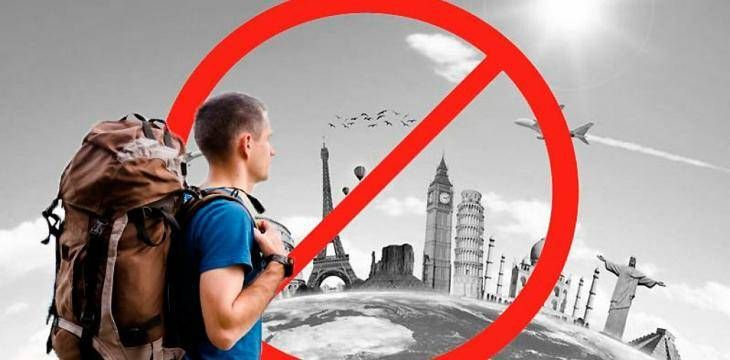
Fodor's ranking of destinations tourists are advised not to visit in 2026
Eight destinations made it into Fodor's "No List 2026" anti-list
Antarctica
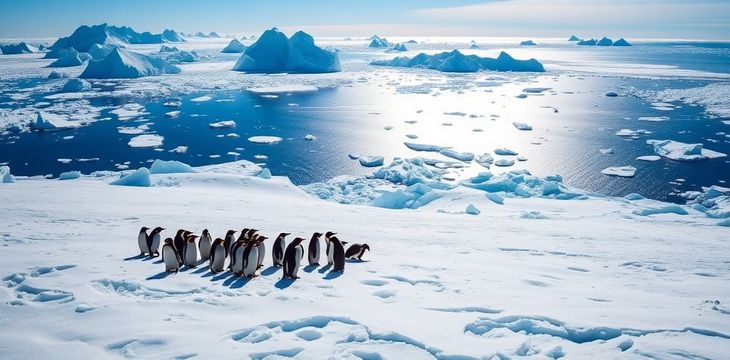
Travelers are drawn to Earth's fifth-largest continent by its pristine nature and the extreme ice-and-snow landscapes. According to data published by Fodor's, 120,000 people visited the continent in 2023-2024, and that number is expected to double by 2033. All of this puts Antarctica's fragile ecosystems at risk. Scientists say there's been a shift from eco-tourism to mass tourism. They argue Antarctica shouldn't end up on tourists' wish lists.
Canary Islands, Spain
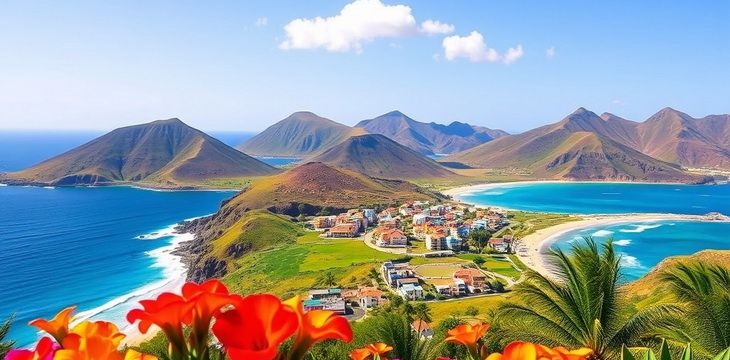
Environmental groups are sounding the alarm because, in their view, mass tourism is causing destruction of both nature and the familiar habitats of Canary Islands. This leaves little room for comfortable living. Besides the extra strain on infrastructure from tourist influxes, the islands are increasingly feeling water shortages.
Glacier National Park, Montana, USA
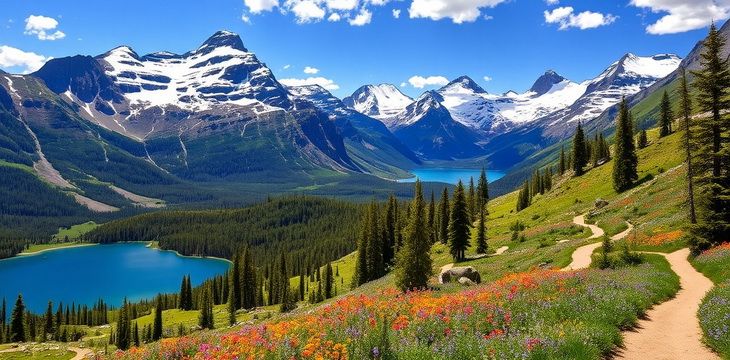
The park, known as the "Crown of the Continent," earned its fame from dramatic alpine scenery, abundant wildlife and a network of hiking trails. But today only 27 of the 150 glaciers that gave the park its name remain, and they could disappear by 2030. Strangely, the very threat of disappearance is pushing more visitors to rush to see the park in its original state before it changes. That growing visitation causes traffic jams, overcrowded trails, litter problems and worse air quality. All of this, combined with the severe effects of climate change, has serious repercussions.
Isola Sacra (Holy Island), Italy
, Италия.jpeg)
Isola Sacra is an island in Italy measuring less than 8 sq. km. It's known for ancient monuments, including Roman catacombs and tombs. Major sights include the Torre Niccolina tower and Villaggio Azzurro (the Blue Village) with its colorful frescoes. But this archaeological heritage, and the surrounding nature, could vanish because of plans to build a cruise port whose berths might be able to receive about 1,000 ships by 2026. Environmentalists and local residents oppose this construction. They believe the port and its infrastructure would accelerate coastal erosion, harm the ecosystem and add to the tourist influx in Rome, which is already overcrowded.
Jungfrau Region, Switzerland
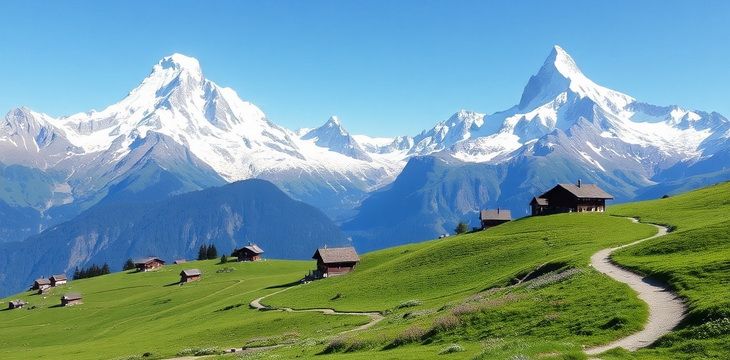
The mountain region of Switzerland is a classic example of how popularity can turn an attraction into a victim. Visitors come for the famous peaks Eiger, Mönch and Jungfrau. Fodor's says that over 2024 more than one million people passed through the Jungfraujoch pass, and the regional cableway Eiger Express carried more than 2.1 million passengers in the same period.
The Jungfrau infrastructure is under huge pressure: nowhere to park cars, crowded hiking trails, and mountain roads blocked by tourist buses. Even the once-quiet Lauterbrunnen waterfalls see high numbers of visitors. Day-trippers who spend little and leave a lot of garbage are growing in number. This leads to rising frustration among locals because the sustainability of what was until recently an idyllic mountain area is at risk.
Mexico City, Mexico
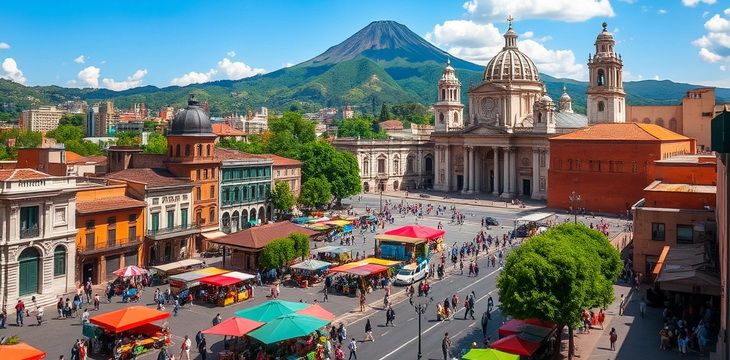
Tourists go to the capital of Mexico to pay homage to Aztec heritage and colonial architecture, and to enjoy vibrant local cuisine. But mass tourism has worsened social tensions. Because of the rise in short-term rentals, housing prices have jumped, making homes unaffordable for locals. They say gentrification hides a threat to local culture as authentic neighborhoods turn into "neo-colonies" for tourists.
Mombasa, Kenya
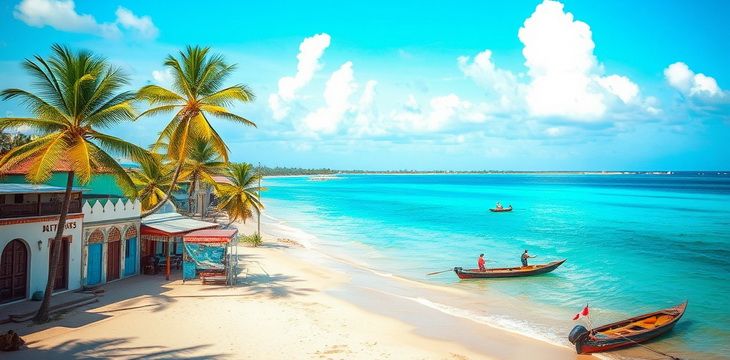
Tourism is one of Kenya's most important economic sectors. 2024 was marked by a new record for the country. This year 2.4 million international tourists were recorded, 14.6% more than the previous year. In 2025 the Kenyan government plans to reach 3 million.
Mombasa is rightly seen as Kenya's main tourist hub, handling 70% of coastal visitors. People come for the beaches, the cultural mix and the chance to go on safari. The record influx has caused a crisis marked by pollution of beaches and the sea and resource depletion. Step outside the resorts and you see flourishing poverty and unemployment. The booming tourism industry is exacerbating social problems such as drug addiction and sex tourism.
Montmartre, Paris, France
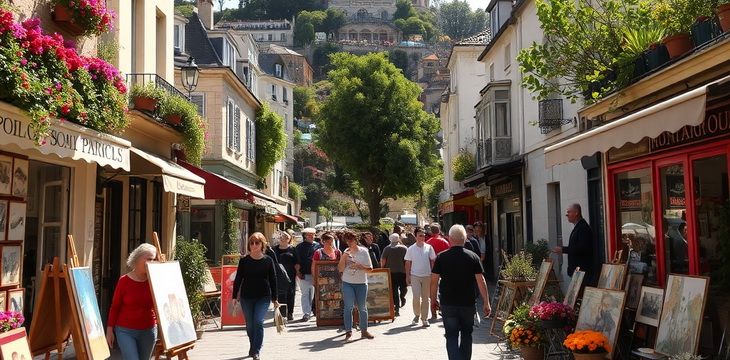
The surge in popularity of this Paris neighborhood came from its artistic heritage and the Sacré-Cœur basilica, and then the Netflix hit series "Emily in Paris." A literal flood of tourists and influencers has driven up property prices and the cost of services. City officials of Paris say Montmartre is now more popular with tourists than the Eiffel Tower. Locals say the influx is "simply unbearable" because overcrowding and commercialization are heavily affecting local culture.
Fodor's emphasizes that this list isn't a call to boycott, but rather an invitation to think about the impact of travel and to choose more mindful and sustainable alternatives.
Eight destinations made it into Fodor's "No List 2026" anti-list
Antarctica
Travelers are drawn to Earth's fifth-largest continent by its pristine nature and the extreme ice-and-snow landscapes. According to data published by Fodor's, 120,000 people visited the continent in 2023-2024, and that number is expected to double by 2033. All of this puts Antarctica's fragile ecosystems at risk. Scientists say there's been a shift from eco-tourism to mass tourism. They argue Antarctica shouldn't end up on tourists' wish lists.
Canary Islands, Spain
Environmental groups are sounding the alarm because, in their view, mass tourism is causing destruction of both nature and the familiar habitats of Canary Islands. This leaves little room for comfortable living. Besides the extra strain on infrastructure from tourist influxes, the islands are increasingly feeling water shortages.
Glacier National Park, Montana, USA
The park, known as the "Crown of the Continent," earned its fame from dramatic alpine scenery, abundant wildlife and a network of hiking trails. But today only 27 of the 150 glaciers that gave the park its name remain, and they could disappear by 2030. Strangely, the very threat of disappearance is pushing more visitors to rush to see the park in its original state before it changes. That growing visitation causes traffic jams, overcrowded trails, litter problems and worse air quality. All of this, combined with the severe effects of climate change, has serious repercussions.
Isola Sacra (Holy Island), Italy
Isola Sacra is an island in Italy measuring less than 8 sq. km. It's known for ancient monuments, including Roman catacombs and tombs. Major sights include the Torre Niccolina tower and Villaggio Azzurro (the Blue Village) with its colorful frescoes. But this archaeological heritage, and the surrounding nature, could vanish because of plans to build a cruise port whose berths might be able to receive about 1,000 ships by 2026. Environmentalists and local residents oppose this construction. They believe the port and its infrastructure would accelerate coastal erosion, harm the ecosystem and add to the tourist influx in Rome, which is already overcrowded.
Jungfrau Region, Switzerland
The mountain region of Switzerland is a classic example of how popularity can turn an attraction into a victim. Visitors come for the famous peaks Eiger, Mönch and Jungfrau. Fodor's says that over 2024 more than one million people passed through the Jungfraujoch pass, and the regional cableway Eiger Express carried more than 2.1 million passengers in the same period.
The Jungfrau infrastructure is under huge pressure: nowhere to park cars, crowded hiking trails, and mountain roads blocked by tourist buses. Even the once-quiet Lauterbrunnen waterfalls see high numbers of visitors. Day-trippers who spend little and leave a lot of garbage are growing in number. This leads to rising frustration among locals because the sustainability of what was until recently an idyllic mountain area is at risk.
Mexico City, Mexico
Tourists go to the capital of Mexico to pay homage to Aztec heritage and colonial architecture, and to enjoy vibrant local cuisine. But mass tourism has worsened social tensions. Because of the rise in short-term rentals, housing prices have jumped, making homes unaffordable for locals. They say gentrification hides a threat to local culture as authentic neighborhoods turn into "neo-colonies" for tourists.
Mombasa, Kenya
Tourism is one of Kenya's most important economic sectors. 2024 was marked by a new record for the country. This year 2.4 million international tourists were recorded, 14.6% more than the previous year. In 2025 the Kenyan government plans to reach 3 million.
Mombasa is rightly seen as Kenya's main tourist hub, handling 70% of coastal visitors. People come for the beaches, the cultural mix and the chance to go on safari. The record influx has caused a crisis marked by pollution of beaches and the sea and resource depletion. Step outside the resorts and you see flourishing poverty and unemployment. The booming tourism industry is exacerbating social problems such as drug addiction and sex tourism.
Montmartre, Paris, France
The surge in popularity of this Paris neighborhood came from its artistic heritage and the Sacré-Cœur basilica, and then the Netflix hit series "Emily in Paris." A literal flood of tourists and influencers has driven up property prices and the cost of services. City officials of Paris say Montmartre is now more popular with tourists than the Eiffel Tower. Locals say the influx is "simply unbearable" because overcrowding and commercialization are heavily affecting local culture.
Fodor's emphasizes that this list isn't a call to boycott, but rather an invitation to think about the impact of travel and to choose more mindful and sustainable alternatives.











