



How can citizens of Uzbekistan get a Schengen visa?
A Schengen visa (type "C") lets you stay in the territories of the Schengen Agreement member countries for up to 90 days within a 180-day period.
General steps to get a Schengen visa:
- Figure out your main country of stay: Submit your documents to the embassy or consulate of the Schengen country that is the main purpose of your trip (where you plan to spend the most time). If the length of stay in several countries is the same, apply at the embassy of the country you enter first.
- Make an appointment to submit documents: Many embassies and consulates, as well as visa centres, require a prior appointment to submit documents. You can usually do this online on their official websites.
- Gather the required documents: The document package is standard for most Schengen countries, but there may be small differences in the requirements of a particular embassy.
- Pay the visa and service fees: The consular fee for a Schengen visa is 90 euros (for children aged 6 to 12 — 45 euros). Payment is made in Uzbek soms at the current exchange rate. Visa centres also charge a service fee.
- Provide biometric data: For a Schengen visa you need to give fingerprint scans and a digital photograph (biometrics). These data are valid for 59 months (almost 5 years), and if you reapply within that period you usually do not need to provide them again.
- Interview (if necessary): In some cases the consulate may invite the applicant for an interview.
- Waiting for a decision: Processing time is usually 15 calendar days. In some cases it can be extended to 30 or even 45 days. It is recommended to apply in advance — no less than 15 days and no earlier than 6 months before the planned trip.
Main documents required for a Schengen visa (general list):
You should always check the exact and up-to-date list of documents on the official website of the embassy or visa centre of the country you are applying to.
- Completed visa application form: Fully filled in and signed by the applicant.
- Valid passport:
- Valid for at least 3 months after the planned date of exit from the Schengen area.
- Must contain at least two blank pages for visas.
- Issued no more than 10 years ago.
- Photos: Two colour photos sized 3.5 x 4.5 cm that meet the requirements (light background, no rounded corners or ovals).
- Copy of all pages of the passport: Including blank pages and copies of previously issued Schengen visas (if any).
- Proof of accommodation: A hotel/hostel booking for the entire stay or a private invitation specifying the address of the place of stay.
- Proof of sufficient funds:
- A bank statement confirming an overseas currency account (usually an amount of $2000 per person is required, but this may vary depending on the country and length of the trip).
- A bank account statement showing transactions for the last 3–6 months.
- A copy of an international credit card.
- A sponsorship letter (if another person pays for the trip) confirming their financial means and a copy of their passport.
- Proof of employment/status:
- For employees: A letter from the employer on company letterhead stating the position, length of service, monthly salary, start date and confirmation that the job will be kept during the leave.
- For sole proprietors: A copy of the business registration certificate, and a tax office statement confirming no outstanding debts.
- For students: A certificate from the educational institution, a copy of the student ID. During vacations — confirmation of holidays.
- For pensioners: A copy of the pension certificate, a statement of pension amount.
- Travel medical insurance: Valid for the entire stay in the Schengen area, with minimum coverage of 30,000 euros, covering medical assistance and emergency repatriation.
- Proof of transport: Flight reservations (there and back) or bookings for other means of transport.
- For travellers with children (additional):
- A copy of the child's birth certificate.
- A notarised consent to the child's travel from the second parent (if travelling with one parent) or from both parents (if the child is travelling with third parties).
- A certificate from the school.
- A sponsorship letter from the parent covering all expenses.
- For foreign citizens permanently residing in Uzbekistan: Additionally provide the original and copies of the Uzbek residence permit/registration.
Visa centres in Tashkent
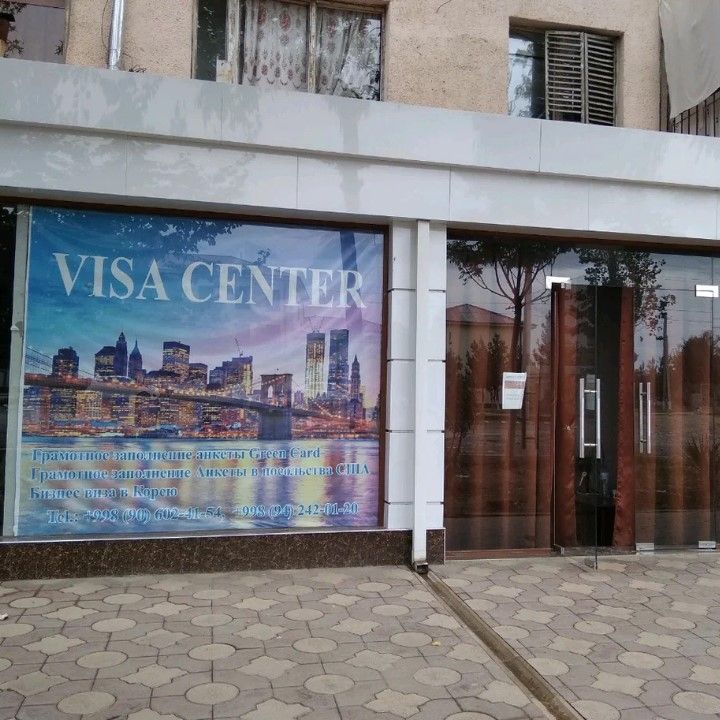
Several visa centres operate in Tashkent and cooperate with the embassies of Schengen countries. The most well-known:
- VFS Global: Serves visa applications for a number of countries, including Lithuania, the Czech Republic, Switzerland and others.
- VisaMetric: Accredited to accept visa applications for Germany and some other countries.
- BLS International: Handles visa applications for Spain.
It is recommended to visit the official websites of these visa centres or the relevant embassies to get the most up-to-date information and to book your appointment.
The process of getting a Schengen visa can be tricky, but with careful preparation of documents and following all the requirements, it's quite doable.
"}{"content":"A Schengen visa (type "C") lets you stay in the territories of the Schengen Agreement member countries for up to 90 days within a 180-day period.
General steps to get a Schengen visa:
- Figure out your main country of stay: Submit your documents to the embassy or consulate of the Schengen country that is the main purpose of your trip (where you plan to spend the most time). If the length of stay in several countries is the same, apply at the embassy of the country you enter first.
- Make an appointment to submit documents: Many embassies and consulates, as well as visa centres, require a prior appointment to submit documents. You can usually do this online on their official websites.
- Gather the required documents: The document package is standard for most Schengen countries, but there may be small differences in the requirements of a particular embassy.
- Pay the visa and service fees: The consular fee for a Schengen visa is 90 euros (for children aged 6 to 12 — 45 euros). Payment is made in Uzbek soms at the current exchange rate. Visa centres also charge a service fee.
- Provide biometric data: For a Schengen visa you need to give fingerprint scans and a digital photograph (biometrics). These data are valid for 59 months (almost 5 years), and if you reapply within that period you usually do not need to provide them again.
- Interview (if necessary): In some cases the consulate may invite the applicant for an interview.
- Waiting for a decision: Processing time is usually 15 calendar days. In some cases it can be extended to 30 or even 45 days. It is recommended to apply in advance — no less than 15 days and no earlier than 6 months before the planned trip.
Main documents required for a Schengen visa (general list):
You should always check the exact and up-to-date list of documents on the official website of the embassy or visa centre of the country you are applying to.
- Completed visa application form: Fully filled in and signed by the applicant.
- Valid passport:
- Valid for at least 3 months after the planned date of exit from the Schengen area.
- Must contain at least two blank pages for visas.
- Issued no more than 10 years ago.
- Photos: Two colour photos sized 3.5 x 4.5 cm that meet the requirements (light background, no rounded corners or ovals).
- Copy of all pages of the passport: Including blank pages and copies of previously issued Schengen visas (if any).
- Proof of accommodation: A hotel/hostel booking for the entire stay or a private invitation specifying the address of the place of stay.
- Proof of sufficient funds:
- A bank statement confirming an overseas currency account (usually an amount of $2000 per person is required, but this may vary depending on the country and length of the trip).
- A bank account statement showing transactions for the last 3–6 months.
- A copy of an international credit card.
- A sponsorship letter (if another person pays for the trip) confirming their financial means and a copy of their passport.
- Proof of employment/status:
- For employees: A letter from the employer on company letterhead stating the position, length of service, monthly salary, start date and confirmation that the job will be kept during the leave.
- For sole proprietors: A copy of the business registration certificate, and a tax office statement confirming no outstanding debts.
- For students: A certificate from the educational institution, a copy of the student ID. During vacations — confirmation of holidays.
- For pensioners: A copy of the pension certificate, a statement of pension amount.
- Travel medical insurance: Valid for the entire stay in the Schengen area, with minimum coverage of 30,000 euros, covering medical assistance and emergency repatriation.
- Proof of transport: Flight reservations (there and back) or bookings for other means of transport.
- For travellers with children (additional):
- A copy of the child's birth certificate.
- A notarised consent to the child's travel from the second parent (if travelling with one parent) or from both parents (if the child is travelling with third parties).
- A certificate from the school.
- A sponsorship letter from the parent covering all expenses.
- For foreign citizens permanently residing in Uzbekistan: Additionally provide the original and copies of the Uzbek residence permit/registration.
Visa centres in Tashkent
Several visa centres operate in Tashkent and cooperate with the embassies of Schengen countries. The most well-known:
- VFS Global: Serves visa applications for a number of countries, including Lithuania, the Czech Republic, Switzerland and others.
- VisaMetric: Accredited to accept visa applications for Germany and some other countries.
- BLS International: Handles visa applications for Spain.
It is recommended to visit the official websites of these visa centres or the relevant embassies to get the most up-to-date information and to book your appointment.
The process of getting a Schengen visa can be tricky, but with careful preparation of documents and following all the requirements, it's quite doable.














