



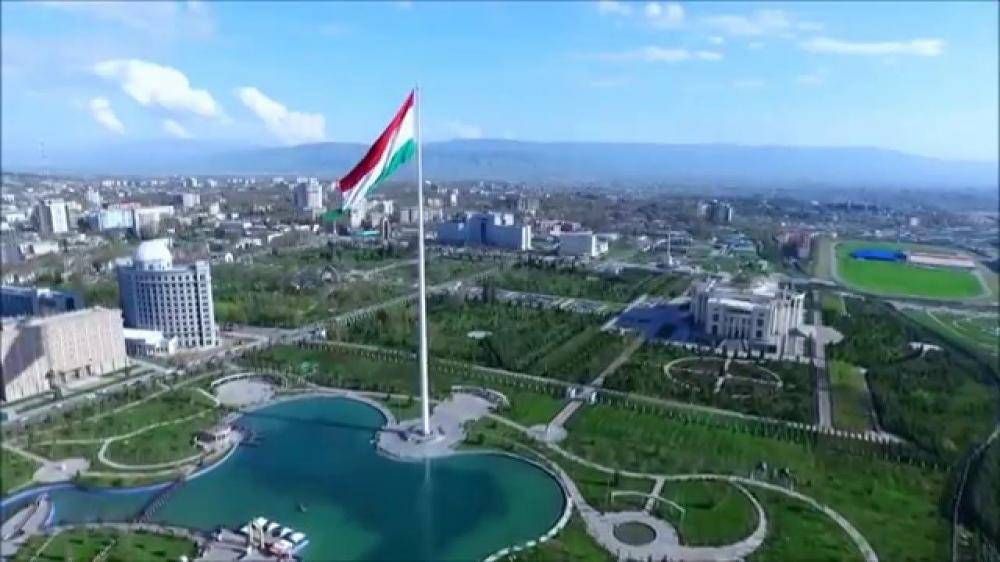
Vacation in Tajikistan: 7 reasons to visit this amazing country
The main treasure of Tajikistan — its mountains. Here you’ll find the highest summits of the Pamir mountain system, known as the "Roof of the World." It’s basically because of them that many tourists buy tours to
Besides that, people go to Tajikistan to see:
- The Pamir Highway, officially known as M41, is one of the highest and most scenic roads in the world. It stretches for over 1200 kilometers and passes through parts of Tajikistan, Kyrgyzstan, Afghanistan and Uzbekistan. The modern M41 connects Termez in Uzbekistan with Kara-Balta near Bishkek in Kyrgyzstan. Traveling along the Pamir Highway is an unforgettable experience with stunning panoramic views, getting to know local culture and the harsh beauty of the region
- The Fann Mountains — a picturesque mountain range with crystal-clear lakes (Iskanderkul, Kulikalon lakes, Alaudin lakes), majestic peaks and plenty of opportunities for trekking, mountaineering and high-mountain adventures
- Pamir National Park — a vast area listed as a UNESCO World Heritage site, with unique ecosystems, high-altitude deserts, glaciers and rare species
- Sarez Lake — a mountain lake located in the Murghob district of the Gorno-Badakhshan Autonomous Region of Tajikistan, right in the heart of the Pamirs. The lake formed on February 18, 1911, as a result of a powerful earthquake that caused a massive landslide. This landslide, known as the Usoi dam, blocked the Murghab riverbed and created a natural dam about 567 meters high — one of the tallest natural dams in the world. The turquoise waters of Sarez Lake and the surrounding landscapes are breathtaking
- Fedchenko Glacier: One of the longest glaciers outside the polar regions — an impressive natural giant. The glacier stretches roughly 77 kilometers, making it the longest glacier outside the polar areas. Its area is about 700 square kilometers, and in the middle part the ice thickness can exceed 1000 meters
Cultural heritage
The cultural heritage of Tajikistan is as rich and multifaceted as its scenic nature. Located at the crossroads of ancient civilizations, Tajikistan absorbed influences from many cultures, leaving behind a unique mix of traditions, arts and crafts
Dushanbe
Dushanbe — the capital of Tajikistan and one of the greenest cities in Central Asia. The city blends Soviet-era heritage with modern buildings and an eastern vibe. If you want to learn more about Tajik history and culture, the National Museum of Tajikistan is a must-visit. Its collections cover the country’s history from ancient times to the present
What else to see if you buy a tour to Tajikistan:
- Rudaki Park — the heart of Dushanbe. The park is dedicated to the Persian-Tajik poet and is considered one of the city’s most beautiful spots. You’ll see the Rudaki monument, pretty fountains and well-kept green areas
- Dousti Square — Dushanbe’s central square, home to the impressive Ismoil Somoni monument, the founder of the Samanid state. The square is a symbol of independence
- Rudaki Avenue — the city’s main street, stretching for several kilometers. Here you’ll find many cafes, restaurants, shops and people-watching spots
- Haji Yakub Mosque — one of the best-known mosques in Dushanbe. It’s an important religious and architectural site
- Botanical Garden — a lovely place for a walk and a break from city bustle. It houses a big collection of plants from different regions
- Chaihana "Rohat" is a real landmark built in traditional Tajik style. It’s a great place to try national dishes and drinks in an authentic setting
- Mehrgon Market — a modern market where you can buy fresh fruit, vegetables, spices, dried fruits and souvenirs. It’s a great spot to get to know local life
Panjakent
Panjakent is a small city in the Sughd Region of Tajikistan with a rich history, known as the "Pompeii of Central Asia." Here you can see the ruins of ancient civilizations and get to know the local culture
Panjakent is one of the most interesting places in Tajikistan for history and archaeology fans:
- On the outskirts of the modern city are the ruins of ancient Panjakent. This place was a major city of the Sogdian empire that flourished in the 5th–8th centuries. It was an important trade center on the Silk Road. Excavations revealed remains of houses, temples and palaces with unique frescoes and statues, now kept in museums
- The Mausoleum of Muhammad Bashoro, built in the 14th century, is an excellent example of medieval Tajik architecture. It’s known for its unique wooden columns decorated with intricate carvings
- The Rudaki Mausoleum, discovered in 1958 in the village of Pанджруд near Panjakent. Abu Abdullah Rudaki is considered the "father" of Persian-Tajik poetry. This mausoleum is an important cultural site
- In the center of Panjakent there’s a small but fascinating museum showcasing artifacts found during the excavations of the ancient city
Also be sure to visit the green bazaar where, like in any eastern city, you can buy fresh fruits, vegetables, spices and souvenirs. It’s a great place to feel the local atmosphere
Visiting Panjakent is a wonderful way to touch ancient history without venturing far from modern life. The city sits in the picturesque Zeravshan river valley, surrounded by mountains — perfect for walks and enjoying the scenery
Isfara
Isfara — one of Tajikistan’s oldest cities, with a history of over 2500 years. Located in the Sughd region, it’s famous as a major center of crafts and trade. In ancient times known as Cyropolis, it was one of Alexander the Great’s outposts. Traces of different historical eras remain here, making the city an open-air museum. The city is famous for its artisans who keep old traditions alive. You can watch how they make woodwork, ceramics, leather and metal items, and buy unique handicrafts
Main attractions
- The ancient settlement of Mughteppa — the oldest part of the city. Archaeological digs show there was a settlement here as far back as the 5th–4th centuries BC
- Kakhkaha fortress — the main historical attraction of Isfara. The fortress was built to protect the city and was an important strategic point on the Great Silk Road
- The Kok-Gumbaz Mausoleum, which means "Blue Dome," is one of the most beautiful architectural monuments in the city. Built in the 15th century, it impresses with its elegant architecture and decoration
- The Isfara History Museum. If you want to learn more about the city’s rich past, be sure to visit this museum. The exhibits include archaeological finds, everyday objects and more
Isfara is a place where you can touch living history, watch traditional craftsmen at work and enjoy the beauty of medieval architecture
Khujand
Khujand is the second-largest city in Tajikistan and one of Central Asia’s oldest cities. It sits in the scenic Fergana Valley on the banks of the Syr Darya and is an important cultural and historical center. A tour to Khujand won’t disappoint
The city’s main attraction is the Khujand Fortress, with a history of over 2500 years. Founded in the times of Alexander the Great, it played a key defensive role in the region. Today only ruins remain, but the site houses the National Museum of Archaeology and Fortification of Khujand, where you can see exhibits related to the city’s past
Cultural and religious sites:
- Jami Mosque (the Great Mosque) is one of the largest and most beautiful mosques in Tajikistan. It is famous for its architecture and is an important spiritual center
- The Kamol Khujandi monument dedicated to the classical Persian-Tajik poet Kamol Khujandi. It’s in the city center surrounded by lovely gardens
- The mausoleum of Sheikh Muslihiddin, built in honor of Sheikh Muslihiddin, is a pilgrimage site and an important architectural monument
- Kamoli Khujandi Park — a favorite spot for locals and visitors. You can stroll shady alleys, relax by fountains and enjoy a peaceful atmosphere
- Panjshanbe Market is considered one of the largest and most colorful markets in Tajikistan. Located in the city center, you’ll find everything here — from fresh produce to national souvenirs
- The Arbob Palace of Culture has great historical significance because Tajikistan’s independence was proclaimed there. Today it hosts various cultural events
Khujand is a wonderful city that mixes a rich history with modern life. It’s ideal for anyone wanting to get to know Tajik culture and traditions. Is there anything else you’d like to know?
What to do in Tajikistan
Tajikistan is an amazing country with a rich history, stunning nature and hospitable people. Depending on your interests, there are tons of activities to choose from
For nature lovers and active travelers:
- Conquer the Pamir Highway — probably the most famous adventure in Tajikistan. A trip on this high-altitude road offers incredible views of snow-capped peaks, high-altitude lakes (for example, Karakul, Yashilkul, Zorkul), harsh desert landscapes and traditional kishlaks. You can go by jeep, motorcycle or even bicycle (for experienced riders)
- Hiking in the Fann Mountains. This range is famous for its scenic lakes (Iskanderkul, Kulikalon lakes, Alaudin lakes), high peaks (Chapdara peak, Bodkhona peak), glaciers and trekking routes of various difficulty levels
- Summit attempts. For experienced climbers there are chances to tackle Ismoil Somoni Peak (formerly Communism Peak, 7495 m), Peak Evgenia Korzhenevskaya (7105 m) and Lenin Peak (7134 m, partly on Tajik territory)
- Glacier exploration. Visiting giants like the Fedchenko Glacier can be unforgettable (requires special training and equipment)
- Rafting and kayaking. Tajik mountain rivers offer great opportunities for whitewater adventures of different difficulty levels
- Wildlife watching. In mountain areas you might spot rare animals like the snow leopard, Marco Polo sheep (markhor), argali and various birds
For history and culture fans:
- Visit the Hazrati Shoh mosque and mausoleum in Isfara, which besides historic monuments is known for traditional crafts
- See the mausoleums of Mir Said Ali Hamadoni and Sultan Uvaisi Karani in various regions
- In Panjakent, explore the ruins of the ancient Sogdian city with excavated houses, temples and fortifications
- Explore the Gissar Fortress — an impressive historic complex near Dushanbe that includes fortress gates, madrassas and more
- Visit museums in Dushanbe: the National Museum of Tajikistan, the Museum of Musical Instruments, the Ethnographic Museum and others
- Learn about traditional crafts. Visit workshops of artisans to see pottery, textiles, wood carving being made and buy handmade souvenirs
- See petroglyphs. In various parts of Tajikistan ancient rock drawings have been preserved, offering insight into historical and cultural life
If you bought a tour to Tajikistan to immerse yourself in local life, we recommend:
- Visit local bazaars to feel the eastern market atmosphere, taste local products, bargain and chat with locals
- Try the national cuisine. Enjoy plov, manti, lagman, kurtob and other delicious Tajik dishes
- Stay with a local family (homestay) — a great chance to learn about everyday life and culture
- Attend local holidays and festivals. If your trip coincides with a national or religious holiday (especially Navruz), you’ll witness vivid traditions and celebrations
- Talk to locals. Tajiks are famous for their hospitality, and conversations with them can become some of the most memorable moments
There’s also plenty to do in Dushanbe:
- Take a stroll along the avenue
- Visit the Botanical
- See the Ismoil Somoni monument and the central square
- Attend theaters and concert halls
Useful information for travelers who bought a tour to Tajikistan:
- Citizens of many countries need a visa to enter Tajikistan. It’s recommended to check visa requirements in advance
- The best time to visit depends on your preferences. For cultural tours and mid-altitude trekking, spring (April–May) and autumn (September–October) are best. Summer (June–August) is the prime season for high-altitude trekking and mountaineering
- Currency: Tajik somoni
- Language: Tajik (Farsi)."}{"content":"
The main treasure of Tajikistan — its mountains. Here you’ll find the highest summits of the Pamir mountain system, known as the "Roof of the World." It’s basically because of them that many tourists buy tours to
Besides that, people go to Tajikistan to see:
- The Pamir Highway, officially known as M41, is one of the highest and most scenic roads in the world. It stretches for over 1200 kilometers and passes through parts of Tajikistan, Kyrgyzstan, Afghanistan and Uzbekistan. The modern M41 connects Termez in Uzbekistan with Kara-Balta near Bishkek in Kyrgyzstan. Traveling along the Pamir Highway is an unforgettable experience with stunning panoramic views, getting to know local culture and the harsh beauty of the region
- The Fann Mountains — a picturesque mountain range with crystal-clear lakes (Iskanderkul, Kulikalon lakes, Alaudin lakes), majestic peaks and plenty of opportunities for trekking, mountaineering and high-mountain adventures
- Pamir National Park — a vast area listed as a UNESCO World Heritage site, with unique ecosystems, high-altitude deserts, glaciers and rare species
- Sarez Lake — a mountain lake located in the Murghob district of the Gorno-Badakhshan Autonomous Region of Tajikistan, right in the heart of the Pamirs. The lake formed on February 18, 1911, as a result of a powerful earthquake that caused a massive landslide. This landslide, known as the Usoi dam, blocked the Murghab riverbed and created a natural dam about 567 meters high — one of the tallest natural dams in the world. The turquoise waters of Sarez Lake and the surrounding landscapes are breathtaking
- Fedchenko Glacier: One of the longest glaciers outside the polar regions — an impressive natural giant. The glacier stretches roughly 77 kilometers, making it the longest glacier outside the polar areas. Its area is about 700 square kilometers, and in the middle part the ice thickness can exceed 1000 meters
Cultural heritage
The cultural heritage of Tajikistan is as rich and multifaceted as its scenic nature. Located at the crossroads of ancient civilizations, Tajikistan absorbed influences from many cultures, leaving behind a unique mix of traditions, arts and crafts
Dushanbe
Dushanbe — the capital of Tajikistan and one of the greenest cities in Central Asia. The city blends Soviet-era heritage with modern buildings and an eastern vibe. If you want to learn more about Tajik history and culture, the National Museum of Tajikistan is a must-visit. Its collections cover the country’s history from ancient times to the present
What else to see if you buy a tour to Tajikistan:
- Rudaki Park — the heart of Dushanbe. The park is dedicated to the Persian-Tajik poet and is considered one of the city’s most beautiful spots. You’ll see the Rudaki monument, pretty fountains and well-kept green areas
- Dousti Square — Dushanbe’s central square, home to the impressive Ismoil Somoni monument, the founder of the Samanid state. The square is a symbol of independence
- Rudaki Avenue — the city’s main street, stretching for several kilometers. Here you’ll find many cafes, restaurants, shops and people-watching spots
- Haji Yakub Mosque — one of the best-known mosques in Dushanbe. It’s an important religious and architectural site
- Botanical Garden — a lovely place for a walk and a break from city bustle. It houses a big collection of plants from different regions
- Chaihana "Rohat" is a real landmark built in traditional Tajik style. It’s a great place to try national dishes and drinks in an authentic setting
- Mehrgon Market — a modern market where you can buy fresh fruit, vegetables, spices, dried fruits and souvenirs. It’s a great spot to get to know local life
Panjakent
Panjakent is a small city in the Sughd Region of Tajikistan with a rich history, known as the "Pompeii of Central Asia." Here you can see the ruins of ancient civilizations and get to know the local culture
Panjakent is one of the most interesting places in Tajikistan for history and archaeology fans:
- On the outskirts of the modern city are the ruins of ancient Panjakent. This place was a major city of the Sogdian empire that flourished in the 5th–8th centuries. It was an important trade center on the Silk Road. Excavations revealed remains of houses, temples and palaces with unique frescoes and statues, now kept in museums
- The Mausoleum of Muhammad Bashoro, built in the 14th century, is an excellent example of medieval Tajik architecture. It’s known for its unique wooden columns decorated with intricate carvings
- The Rudaki Mausoleum, discovered in 1958 in the village of Pанджруд near Panjakent. Abu Abdullah Rudaki is considered the "father" of Persian-Tajik poetry. This mausoleum is an important cultural site
- In the center of Panjakent there’s a small but fascinating museum showcasing artifacts found during the excavations of the ancient city
Also be sure to visit the green bazaar where, like in any eastern city, you can buy fresh fruits, vegetables, spices and souvenirs. It’s a great place to feel the local atmosphere
Visiting Panjakent is a wonderful way to touch ancient history without venturing far from modern life. The city sits in the picturesque Zeravshan river valley, surrounded by mountains — perfect for walks and enjoying the scenery
Isfara
Isfara — one of Tajikistan’s oldest cities, with a history of over 2500 years. Located in the Sughd region, it’s famous as a major center of crafts and trade. In ancient times known as Cyropolis, it was one of Alexander the Great’s outposts. Traces of different historical eras remain here, making the city an open-air museum. The city is famous for its artisans who keep old traditions alive. You can watch how they make woodwork, ceramics, leather and metal items, and buy unique handicrafts
Main attractions
- The ancient settlement of Mughteppa — the oldest part of the city. Archaeological digs show there was a settlement here as far back as the 5th–4th centuries BC
- Kakhkaha fortress — the main historical attraction of Isfara. The fortress was built to protect the city and was an important strategic point on the Great Silk Road
- The Kok-Gumbaz Mausoleum, which means "Blue Dome," is one of the most beautiful architectural monuments in the city. Built in the 15th century, it impresses with its elegant architecture and decoration
- The Isfara History Museum. If you want to learn more about the city’s rich past, be sure to visit this museum. The exhibits include archaeological finds, everyday objects and more
Isfara is a place where you can touch living history, watch traditional craftsmen at work and enjoy the beauty of medieval architecture
Khujand
Khujand is the second-largest city in Tajikistan and one of Central Asia’s oldest cities. It sits in the scenic Fergana Valley on the banks of the Syr Darya and is an important cultural and historical center. A tour to Khujand won’t disappoint
The city’s main attraction is the Khujand Fortress, with a history of over 2500 years. Founded in the times of Alexander the Great, it played a key defensive role in the region. Today only ruins remain, but the site houses the National Museum of Archaeology and Fortification of Khujand, where you can see exhibits related to the city’s past
Cultural and religious sites:
- Jami Mosque (the Great Mosque) is one of the largest and most beautiful mosques in Tajikistan. It is famous for its architecture and is an important spiritual center
- The Kamol Khujandi monument dedicated to the classical Persian-Tajik poet Kamol Khujandi. It’s in the city center surrounded by lovely gardens
- The mausoleum of Sheikh Muslihiddin, built in honor of Sheikh Muslihiddin, is a pilgrimage site and an important architectural monument
- Kamoli Khujandi Park — a favorite spot for locals and visitors. You can stroll shady alleys, relax by fountains and enjoy a peaceful atmosphere
- Panjshanbe Market is considered one of the largest and most colorful markets in Tajikistan. Located in the city center, you’ll find everything here — from fresh produce to national souvenirs
- The Arbob Palace of Culture has great historical significance because Tajikistan’s independence was proclaimed there. Today it hosts various cultural events
Khujand is a wonderful city that mixes a rich history with modern life. It’s ideal for anyone wanting to get to know Tajik culture and traditions. Is there anything else you’d like to know?
What to do in Tajikistan
Tajikistan is an amazing country with a rich history, stunning nature and hospitable people. Depending on your interests, there are tons of activities to choose from
For nature lovers and active travelers:
- Conquer the Pamir Highway — probably the most famous adventure in Tajikistan. A trip on this high-altitude road offers incredible views of snow-capped peaks, high-altitude lakes (for example, Karakul, Yashilkul, Zorkul), harsh desert landscapes and traditional kishlaks. You can go by jeep, motorcycle or even bicycle (for experienced riders)
- Hiking in the Fann Mountains. This range is famous for its scenic lakes (Iskanderkul, Kulikalon lakes, Alaudin lakes), high peaks (Chapdara peak, Bodkhona peak), glaciers and trekking routes of various difficulty levels
- Summit attempts. For experienced climbers there are chances to tackle Ismoil Somoni Peak (formerly Communism Peak, 7495 m), Peak Evgenia Korzhenevskaya (7105 m) and Lenin Peak (7134 m, partly on Tajik territory)
- Glacier exploration. Visiting giants like the Fedchenko Glacier can be unforgettable (requires special training and equipment)
- Rafting and kayaking. Tajik mountain rivers offer great opportunities for whitewater adventures of different difficulty levels
- Wildlife watching. In mountain areas you might spot rare animals like the snow leopard, Marco Polo sheep (markhor), argali and various birds
For history and culture fans:
- Visit the Hazrati Shoh mosque and mausoleum in Isfara, which besides historic monuments is known for traditional crafts
- See the mausoleums of Mir Said Ali Hamadoni and Sultan Uvaisi Karani in various regions
- In Panjakent, explore the ruins of the ancient Sogdian city with excavated houses, temples and fortifications
- Explore the Gissar Fortress — an impressive historic complex near Dushanbe that includes fortress gates, madrassas and more
- Visit museums in Dushanbe: the National Museum of Tajikistan, the Museum of Musical Instruments, the Ethnographic Museum and others
- Learn about traditional crafts. Visit workshops of artisans to see pottery, textiles, wood carving being made and buy handmade souvenirs
- See petroglyphs. In various parts of Tajikistan ancient rock drawings have been preserved, offering insight into historical and cultural life
If you bought a tour to Tajikistan to immerse yourself in local life, we recommend:
- Visit local bazaars to feel the eastern market atmosphere, taste local products, bargain and chat with locals
- Try the national cuisine. Enjoy plov, manti, lagman, kurtob and other delicious Tajik dishes
- Stay with a local family (homestay) — a great chance to learn about everyday life and culture
- Attend local holidays and festivals. If your trip coincides with a national or religious holiday (especially Navruz), you’ll witness vivid traditions and celebrations
- Talk to locals. Tajiks are famous for their hospitality, and conversations with them can become some of the most memorable moments
There’s also plenty to do in Dushanbe:
- Take a stroll along the avenue
- Visit the Botanical
- See the Ismoil Somoni monument and the central square
- Attend theaters and concert halls
Useful information for travelers who bought a tour to Tajikistan:
- Citizens of many countries need a visa to enter Tajikistan. It’s recommended to check visa requirements in advance
- The best time to visit depends on your preferences. For cultural tours and mid-altitude trekking, spring (April–May) and autumn (September–October) are best. Summer (June–August) is the prime season for high-altitude trekking and mountaineering
- Currency: Tajik somoni
- Language: Tajik (Farsi)."}{"content":"Russian is also widely spoken, especially in
- Transport. In cities you'll find taxis and public transport. For travel between towns you can use buses, marshrutkas or rent a car (preferably with a driver for mountain
- Accommodation. In cities you'll find hotels of different standards. In mountain areas there are guesthouses and
- Safety. Overall Tajikistan is a safe country for tourists. However, it's recommended to take the usual precautions
Tours to Tajikistan— it's a destination for those looking for authentic adventures, ready for a bit of 'rough' tourism and who appreciate the majestic beauty of nature and the rich culture. 'The Roof of the World' awaits its explorers, ready to reveal its hidden
"}{"content":"Russian is also widely spoken, especially in - Transport. In cities you'll find taxis and public transport. For travel between towns you can use buses, marshrutkas or rent a car (preferably with a driver for mountain
- Accommodation. In cities you'll find hotels of different standards. In mountain areas there are guesthouses and
- Safety. Overall Tajikistan is a safe country for tourists. However, it's recommended to take the usual precautions
Tours to Tajikistan— it's a destination for those looking for authentic adventures, ready for a bit of 'rough' tourism and who appreciate the majestic beauty of nature and the rich culture. 'The Roof of the World' awaits its explorers, ready to reveal its hidden














