



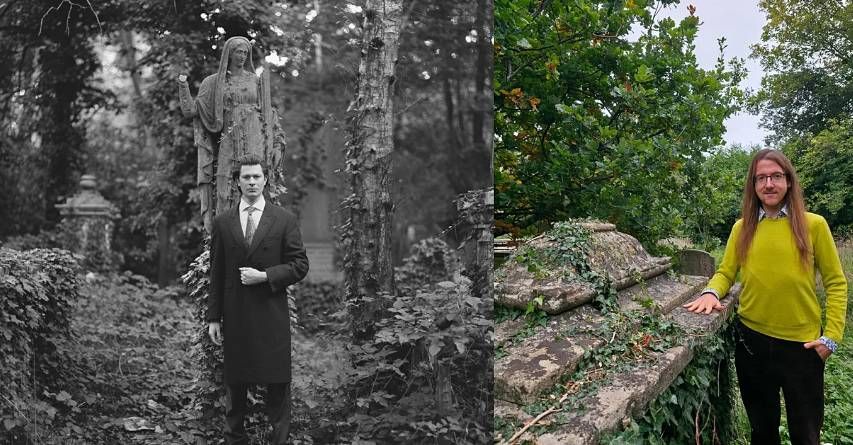
Cemetery tourism is finding new life in Europe
Necrotourism — visiting historic cemeteries, mausoleums and memorial complexes to explore their cultural, architectural and historical significance. In Europe it has become popular, since old cemeteries are basically open-air museums.
Architectural and Sculptural Art
European cemeteries of the 19th and early 20th centuries became arenas where the era's most famous sculptors and architects competed.
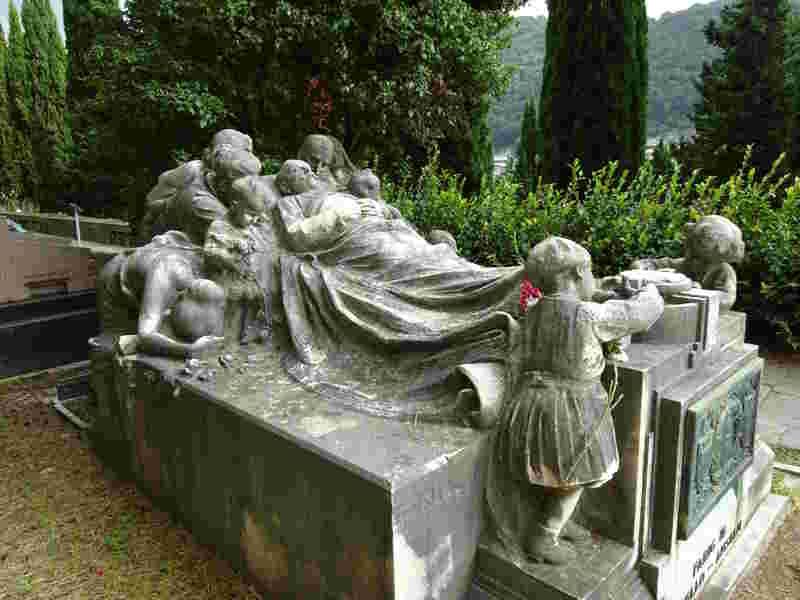
For example, the Staglieno cemetery (Cimitero Monumentale di Staglieno) in Genoa, Italy. It is famous worldwide for its realistic, dramatic and incredibly detailed marble sculptures. It's a gallery of sculpture in the styles of Romanticism and Realism, where monuments tell whole stories about the lives of the dead. And cities like London or Paris attract fans of this kind of leisure with tall chapel-like vaults that are beautiful examples of Gothic Revival or Art Nouveau.
Historical and Literary Angle
Cemeteries offer a unique chance to trace a city's history, its social and economic layers.
Perhaps the most famous cemetery for tourists is Père Lachaise in Paris, France. People come here to pay tribute to Oscar Wilde, Jim Morrison, Edith Piaf and Frédéric Chopin. Each grave has its own unique story. At the Zentralfriedhof in Vienna, Austria rests a brilliant roll call of musicians: Beethoven, Schubert, Brahms.
The most popular necrotourism sites in Europe:
City / Country | Cemetery name | Notable features |
|---|---|---|
| Paris, France | Père Lachaise (Père Lachaise) | Monumental mausoleums, celebrity graves (Morrison, Chopin, Wilde). |
| London, United Kingdom | Highgate (Highgate Cemetery) | An atmospheric Victorian cemetery overgrown with ivy, with Gothic vaults and the grave of Karl Marx. |
| Prague, Czech Republic | Old Jewish Cemetery | Unique: because of lack of space people were buried here in 12 layers one above another. The graves are arranged chaotically and very tightly. |
| Milan, Italy | Monumental Cemetery (Cimitero Monumentale) | A true museum of Italian Art Nouveau and Realism, with lavish tombs built by wealthy Milanese families. |
| Barcelona, Spain | Poblenou (Poblenou Cemetery) | Known for the sculpture "Kiss of Death" (El Petó de la Mort) — a masterpiece of marble carving. |
Why is necrotourism gaining popularity?
Fans of this type of tourism say they're attracted by:
- Silence and peace. In tourist-packed European cities, cemeteries remain quiet oases for slow walks.
- Death as part of life. In the modern world people seek ways to make sense of death and history, and such places provide that opportunity in an artistic form.
- Perfect place for photography. Old architecture, the play of light and shadow, abandoned chapels — all of this attracts photographers and fans of gloomy aesthetics.
Interest in necrotourism goes far beyond merely visiting graves. It's a whole subculture that includes historical research, studying burial rituals and getting acquainted with unique cemetery etiquette.
"}{"content":"Necrotourism — visiting historic cemeteries, mausoleums and memorial complexes to explore their cultural, architectural and historical significance. In Europe it has become popular, since old cemeteries are basically open-air museums.
Architectural and Sculptural Art
European cemeteries of the 19th and early 20th centuries became arenas where the era's most famous sculptors and architects competed.
For example, the Staglieno cemetery (Cimitero Monumentale di Staglieno) in Genoa, Italy. It is famous worldwide for its realistic, dramatic and incredibly detailed marble sculptures. It's a gallery of sculpture in the styles of Romanticism and Realism, where monuments tell whole stories about the lives of the dead. And cities like London or Paris attract fans of this kind of leisure with tall chapel-like vaults that are beautiful examples of Gothic Revival or Art Nouveau.
Historical and Literary Angle
Cemeteries offer a unique chance to trace a city's history, its social and economic layers.
Perhaps the most famous cemetery for tourists is Père Lachaise in Paris, France. People come here to pay tribute to Oscar Wilde, Jim Morrison, Edith Piaf and Frédéric Chopin. Each grave has its own unique story. At the Zentralfriedhof in Vienna, Austria rests a brilliant roll call of musicians: Beethoven, Schubert, Brahms.
The most popular necrotourism sites in Europe:
City / Country | Cemetery name | Notable features |
|---|---|---|
| Paris, France | Père Lachaise (Père Lachaise) | Monumental mausoleums, celebrity graves (Morrison, Chopin, Wilde). |
| London, United Kingdom | Highgate (Highgate Cemetery) | An atmospheric Victorian cemetery overgrown with ivy, with Gothic vaults and the grave of Karl Marx. |
| Prague, Czech Republic | Old Jewish Cemetery | Unique: because of lack of space people were buried here in 12 layers one above another. The graves are arranged chaotically and very tightly. |
| Milan, Italy | Monumental Cemetery (Cimitero Monumentale) | A true museum of Italian Art Nouveau and Realism, with lavish tombs built by wealthy Milanese families. |
| Barcelona, Spain | Poblenou (Poblenou Cemetery) | Known for the sculpture "Kiss of Death" (El Petó de la Mort) — a masterpiece of marble carving. |
Why is necrotourism gaining popularity?
Fans of this type of tourism say they're attracted by:
- Silence and peace. In tourist-packed European cities, cemeteries remain quiet oases for slow walks.
- Death as part of life. In the modern world people seek ways to make sense of death and history, and such places provide that opportunity in an artistic form.
- Perfect place for photography. Old architecture, the play of light and shadow, abandoned chapels — all of this attracts photographers and fans of gloomy aesthetics.
Interest in necrotourism goes far beyond merely visiting graves. It's a whole subculture that includes historical research, studying burial rituals and getting acquainted with unique cemetery etiquette.














