



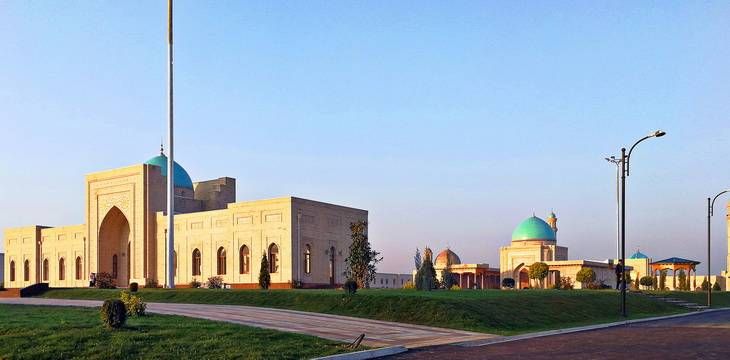
Suzuk-Ota, an ancient shrine — the heart of a craft mahalla in Tashkent
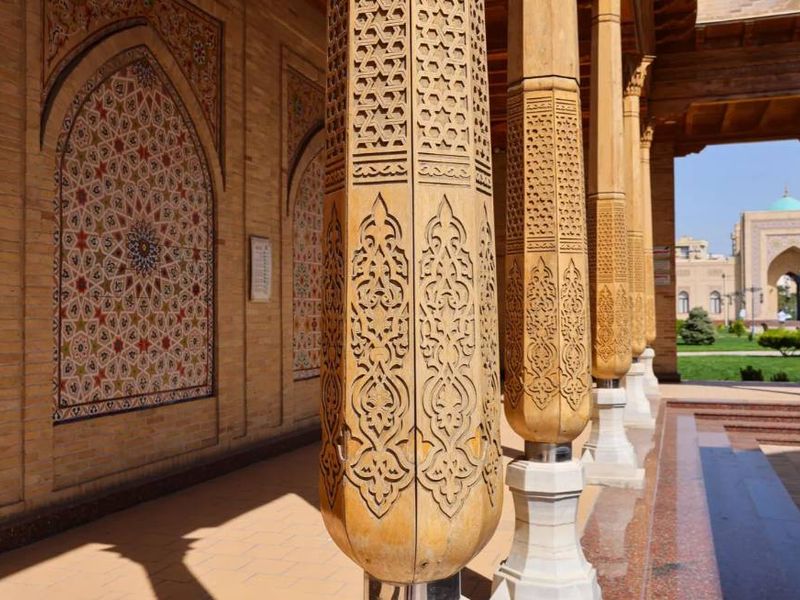
The shrine is dedicated to Hazrat sheikh Mustafokul Khodja, who is known by the name Suzuk-Ota. He was born in 1140 and was the beloved grandson of the great Sufi teacher Khoja Ahmad Yasavi. "Suzuk-Ota" literally means "dear/tender father". Yasavi himself gave him this nickname in childhood. Suzuk-Ota became famous as a master, teacher and mentor to hundreds of craftsmen (in particular, woodcarving). He taught young people various trades, including farming and crafts, turning a rocky area into a thriving mahalla. He died in 1217.
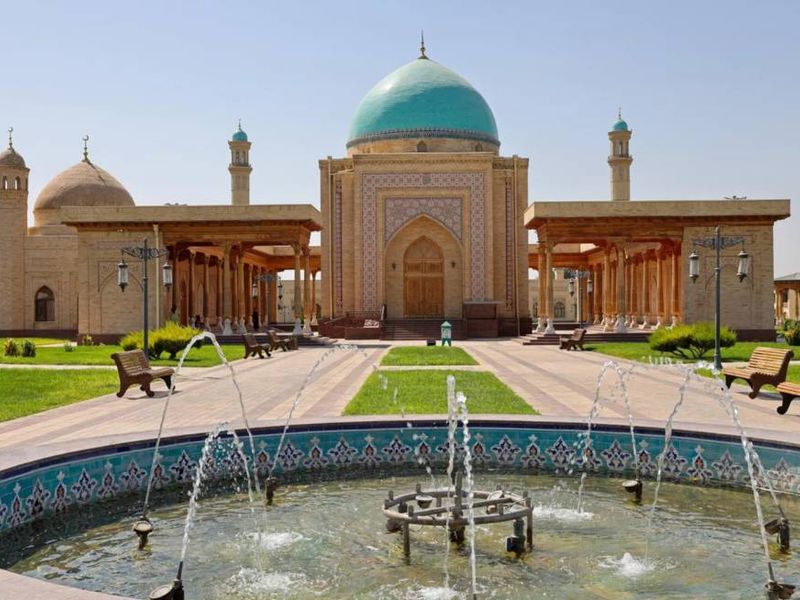
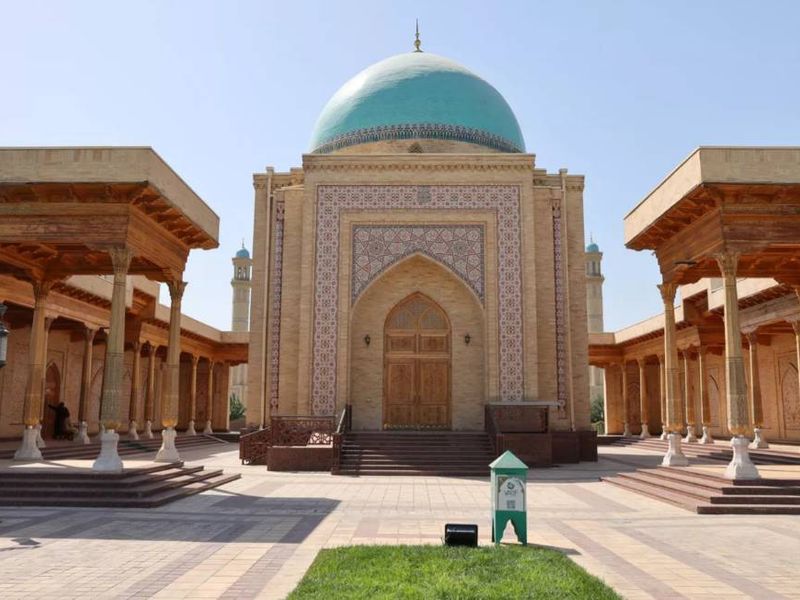
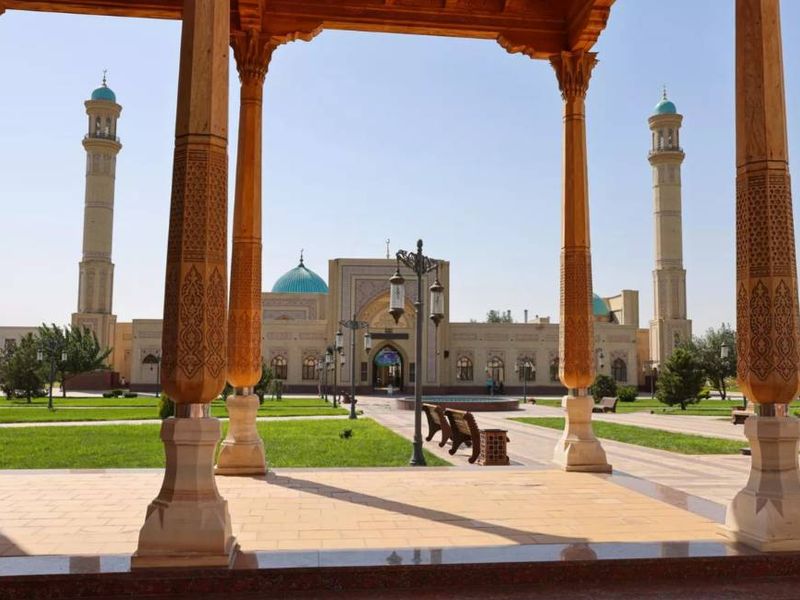
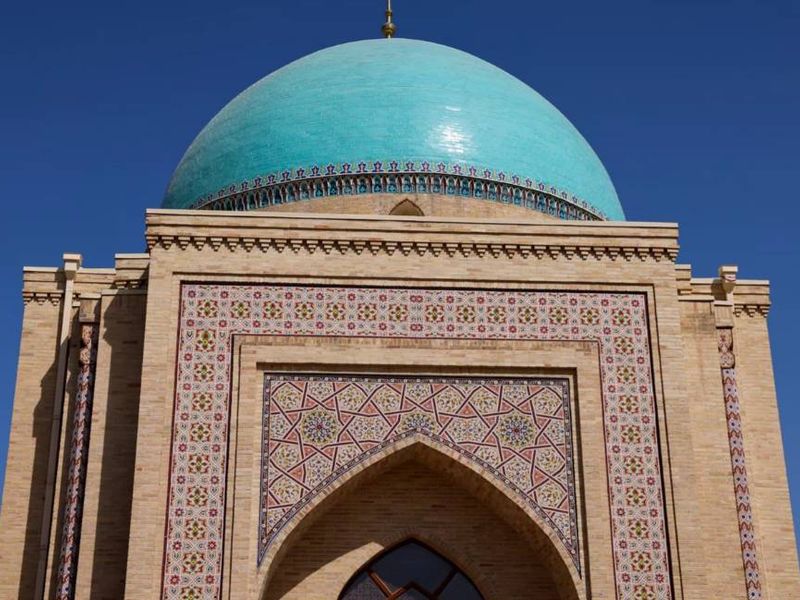
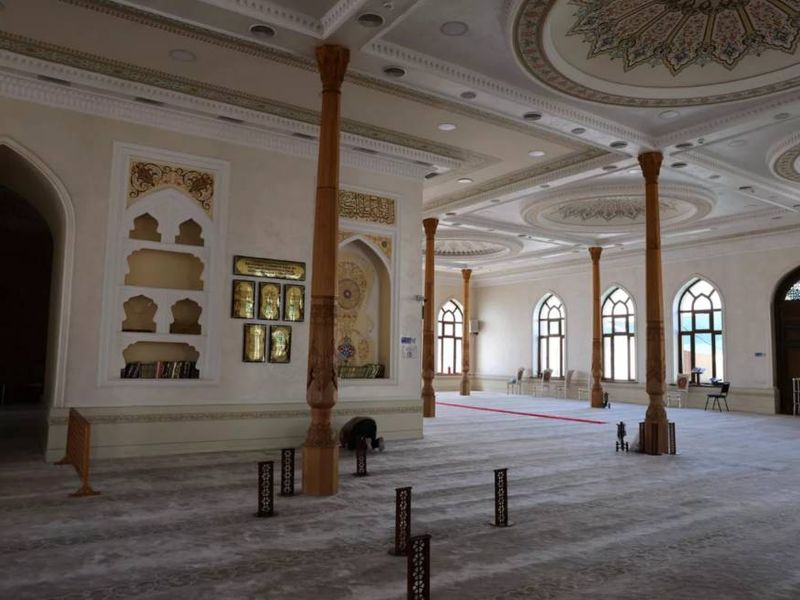
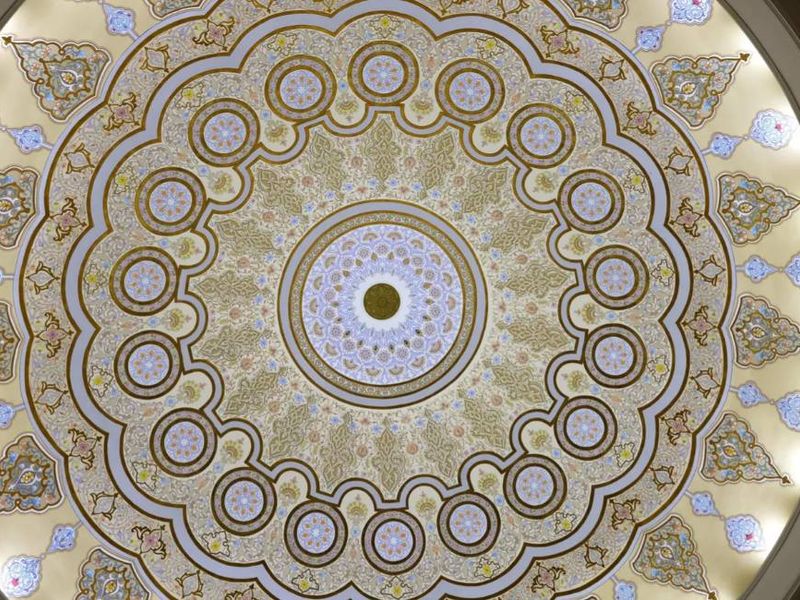
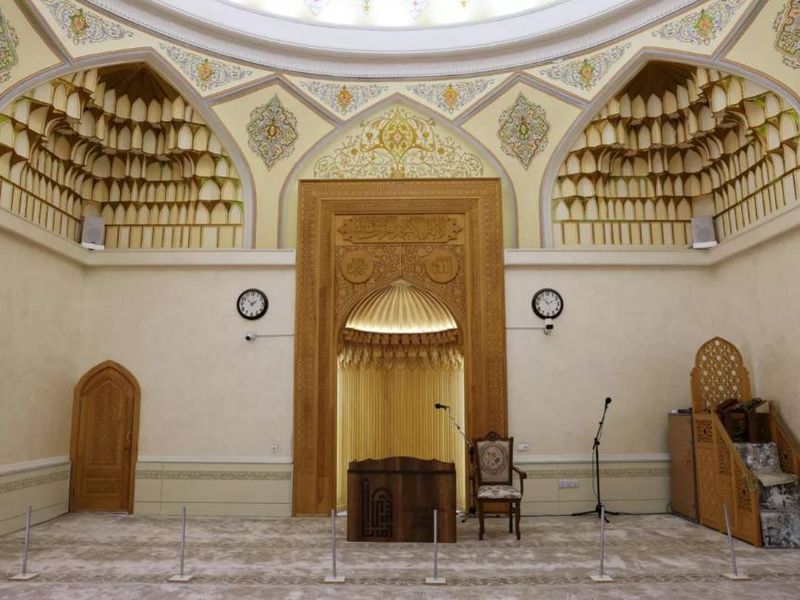
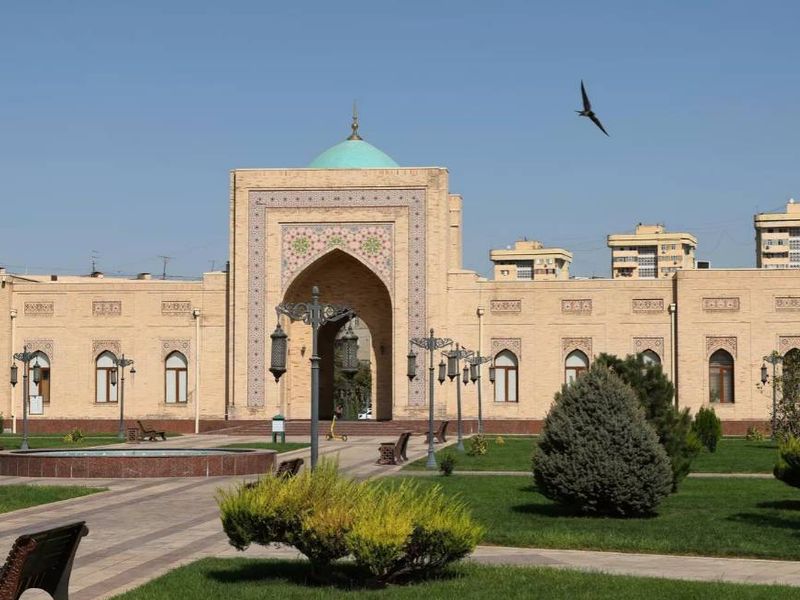
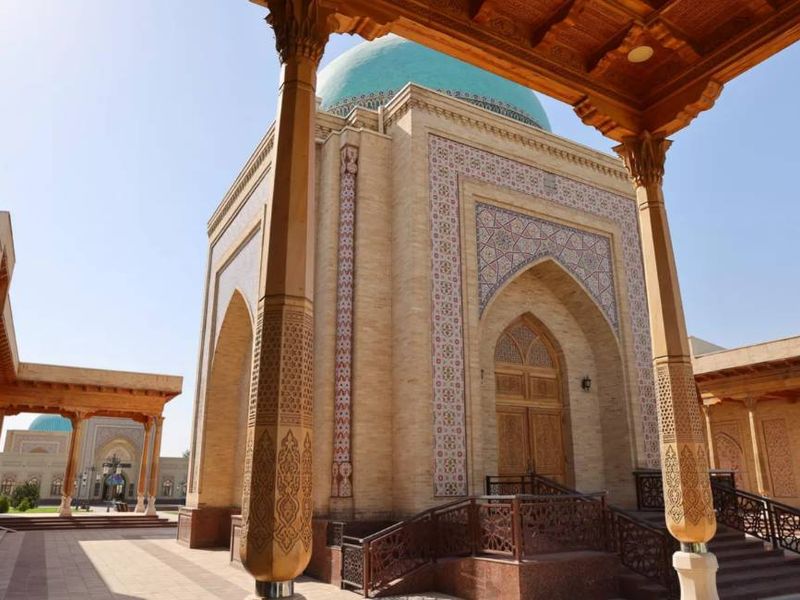
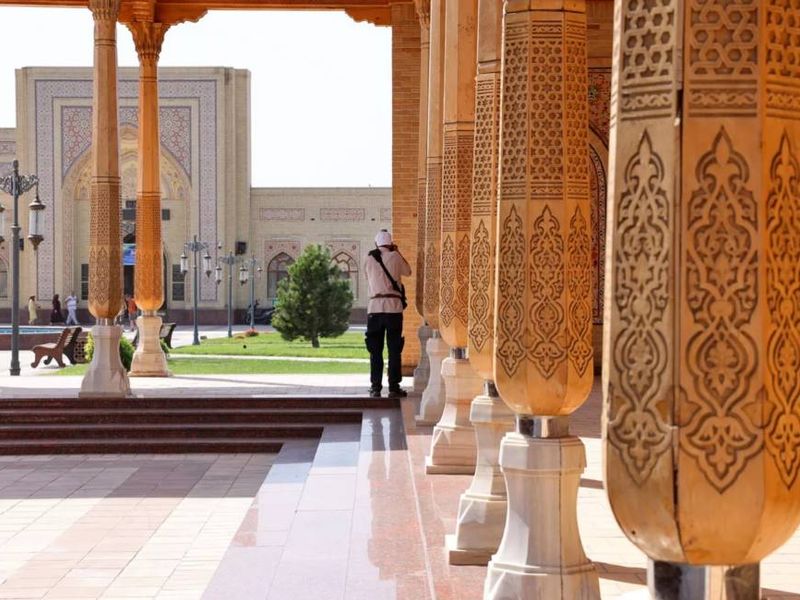
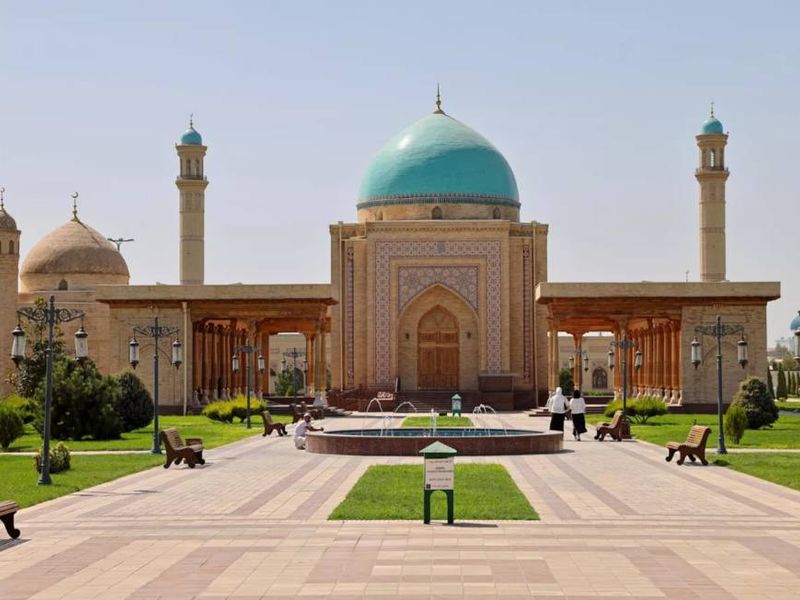
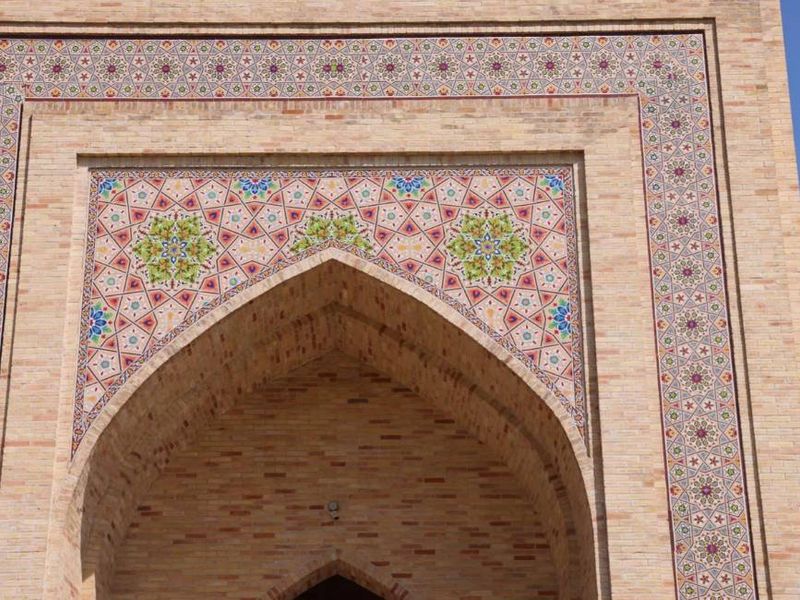
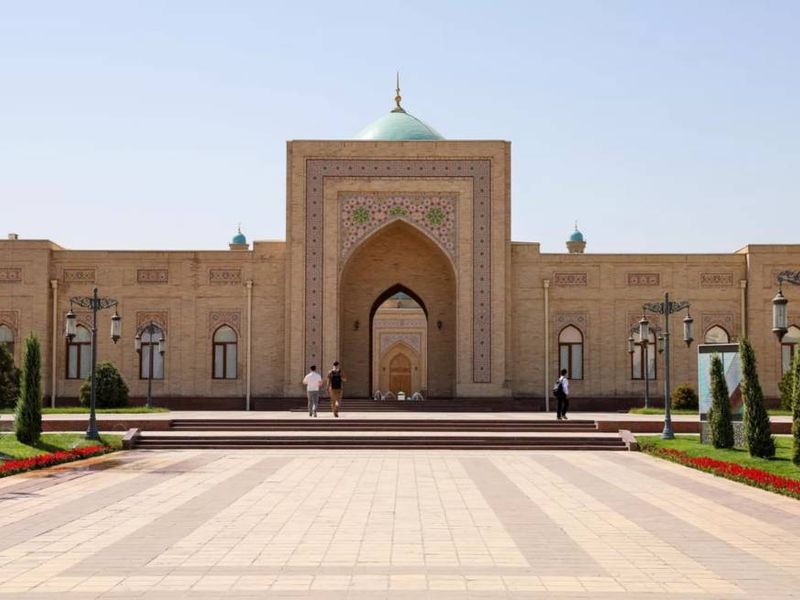
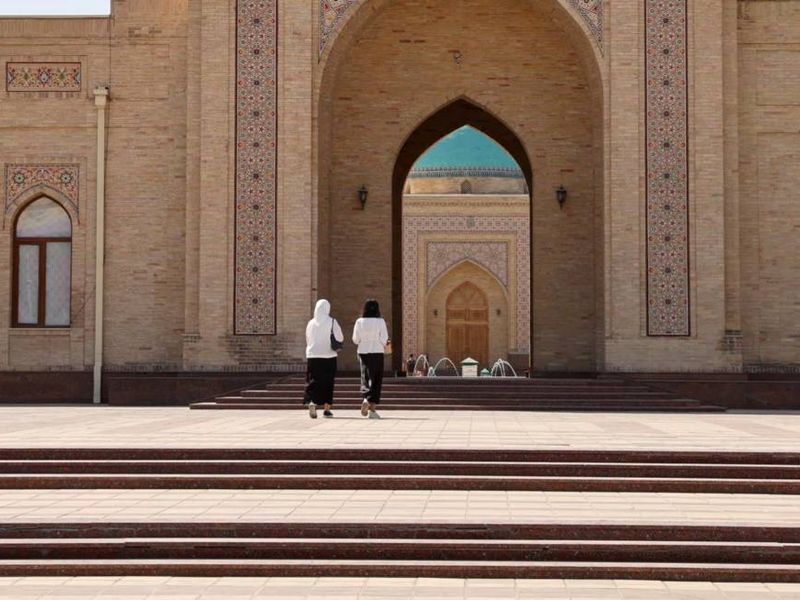
The complex is located in the old part of Tashkent, in the Shaykhantakhur district, not far from the Chorsu bazaar. The main buildings — the Suzuk-Ota mausoleum and a mosque — were built by the order of Amir Timur (Tamerlane) in the 14th century (the mausoleum around 1392). This architectural heritage reflects the rich cultural history and the skill of local builders. In 2017–2019 the complex underwent large-scale reconstruction and improvement at the initiative of the President of Uzbekistan, Shavkat Mirziyoyev.
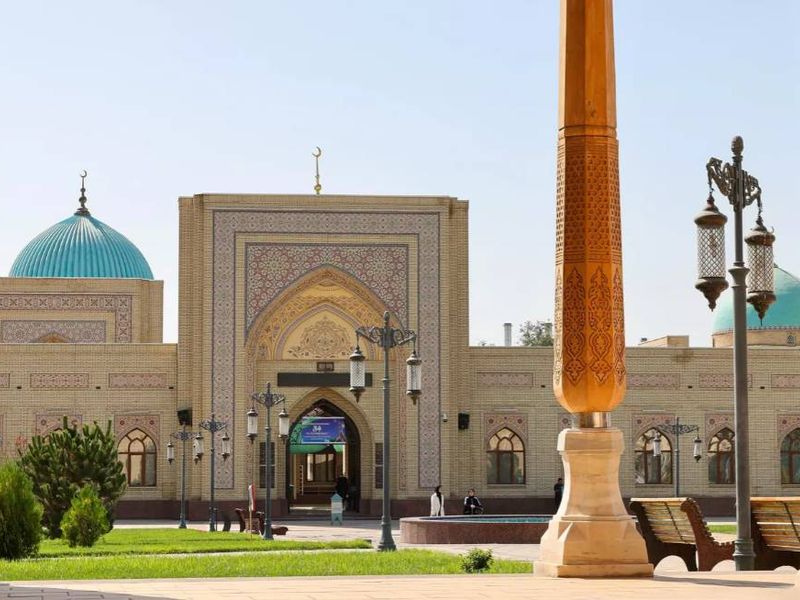
Suzuk-Ota's historical connection with crafts has taken on a new life:
- Craftsmen's town. As part of the reconstruction, 30-34 two-storey cottages for craftsmen were built around the memorial complex.
- On the ground floors of these houses there are workshops and shops where modern masters (woodcarvers, painters, jewelers and others) continue to work, passing their knowledge and secrets to the next generation.
- Thus, the "Suzuk-Ota" complex has turned into a living center of crafts, education and tourism. It symbolizes respect for traditions and is a pilgrimage site for those involved in folk arts.
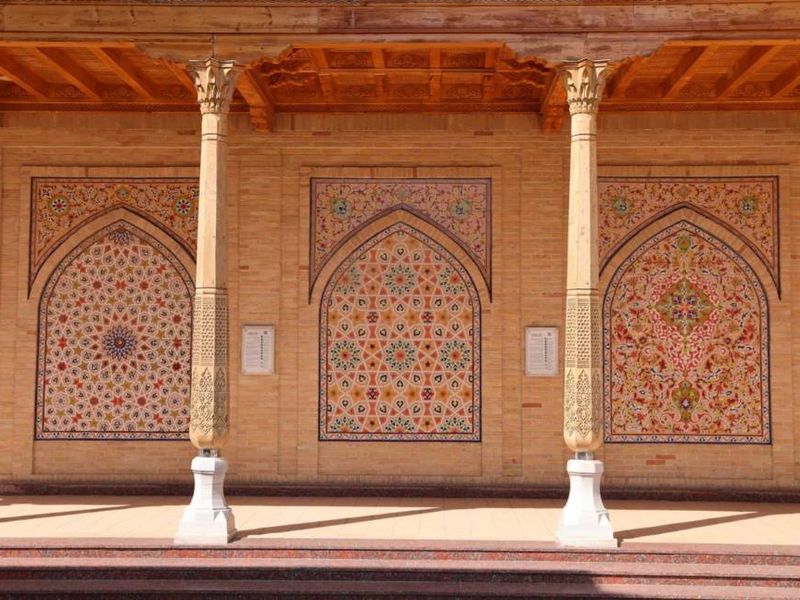
So, the Suzuk-Ota shrine is not just a mausoleum, but a symbol of craft and tradition, around which a mahalla (neighborhood) of craftsmen historically formed and has been revived in our days.
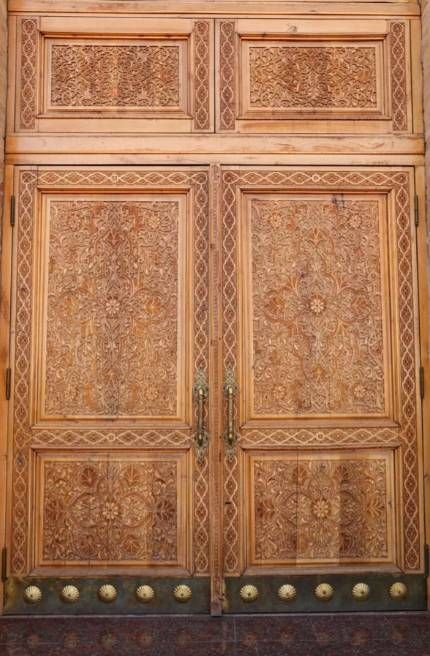
The shrine is dedicated to Hazrat sheikh Mustafokul Khodja, who is known by the name Suzuk-Ota. He was born in 1140 and was the beloved grandson of the great Sufi teacher Khoja Ahmad Yasavi. "Suzuk-Ota" literally means "dear/tender father". Yasavi himself gave him this nickname in childhood. Suzuk-Ota became famous as a master, teacher and mentor to hundreds of craftsmen (in particular, woodcarving). He taught young people various trades, including farming and crafts, turning a rocky area into a thriving mahalla. He died in 1217.
The complex is located in the old part of Tashkent, in the Shaykhantakhur district, not far from the Chorsu bazaar. The main buildings — the Suzuk-Ota mausoleum and a mosque — were built by the order of Amir Timur (Tamerlane) in the 14th century (the mausoleum around 1392). This architectural heritage reflects the rich cultural history and the skill of local builders. In 2017–2019 the complex underwent large-scale reconstruction and improvement at the initiative of the President of Uzbekistan, Shavkat Mirziyoyev.
Suzuk-Ota's historical connection with crafts has taken on a new life:
- Craftsmen's town. As part of the reconstruction, 30-34 two-storey cottages for craftsmen were built around the memorial complex.
- On the ground floors of these houses there are workshops and shops where modern masters (woodcarvers, painters, jewelers and others) continue to work, passing their knowledge and secrets to the next generation.
- Thus, the "Suzuk-Ota" complex has turned into a living center of crafts, education and tourism. It symbolizes respect for traditions and is a pilgrimage site for those involved in folk arts.
So, the Suzuk-Ota shrine is not just a mausoleum, but a symbol of craft and tradition, around which a mahalla (neighborhood) of craftsmen historically formed and has been revived in our days.














