



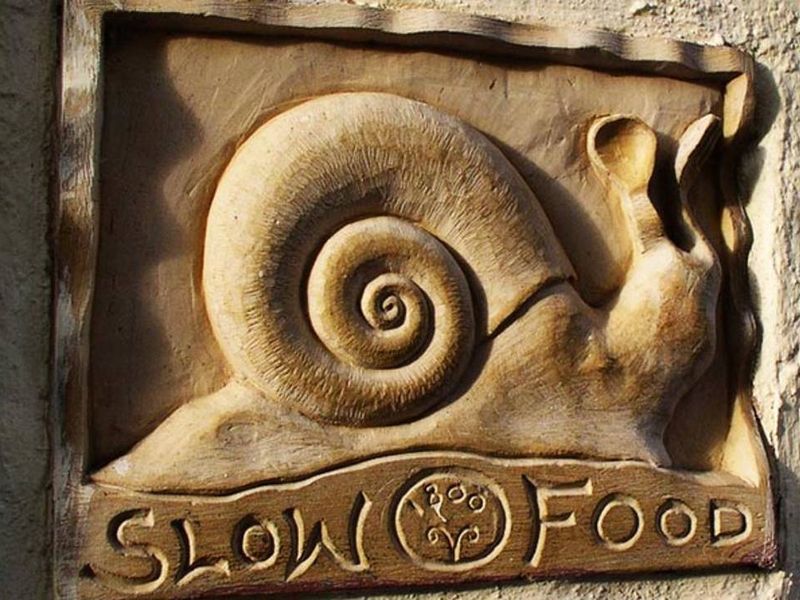
Unhurried tourism — the philosophy of mindful living in a world that's speeding up
The Slow Movement started in Italy in 1986 as a protest against the opening of a McDonald's fast-food restaurant near the Spanish Steps in Rome. Italian journalist Carlo Petrini launched the Slow Food movement as an answer to the growing uniformity and standardisation in the food industry. Its aim was to preserve local culinary traditions, support farmers, promote good and healthy food, and — honestly, to enjoy the process of eating.
Supporters of the movement try to keep the positive bits of traditional lifestyles and cut down the negative effects of globalization — to minimise the hustle and the pressure of mass culture and to maximise what people call "quality of life." Over time the "slow" idea came to include many things like slow shopping, slow reading and, of course, slow tourism. Fans of slow tourism usually avoid the well-trodden paths left by "fast tourists" and travel to less hyped places. They also tend to stay more often in small hotels or private homes.
They claim this kind of travel lets you connect with locals a lot more. You visit the same spots locals go to and basically dive into everyday life. And that can be really interesting: I think of Otar Ioseliani's 1975 film "Pastorale", which shows life "as it is" against the backdrop of what we'd now call slow agritourism (back then there wasn't even a term for it), and it's filmed in a way that's surprisingly gripping despite having no action. Slow tourism overlaps with ecotourism, especially popular in Western Europe (and still a bit puzzling for many in the post-Soviet space). To avoid harming the environment, many Europeans choose shorter trips and prefer trains instead of planes (planes emit a lot of carbon dioxide), or even bikes and walks.
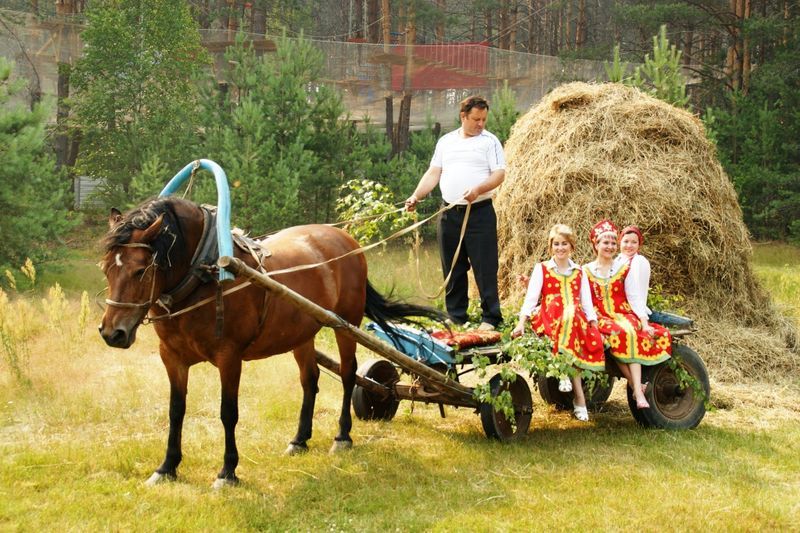
Close to slow tourism is agritourism — as the name suggests, travelling through the countryside. Agritourism is especially popular in Italy, France, the United Kingdom, Germany, Belarus and the Baltic countries. For example, in Lithuania income from agritourism makes up about half of what people earn in rural areas. It's believed that growth of agritourism in the coming years will boost the market for renting out private flats and houses in the countryside, which in turn will revive agricultural regions in host countries.
Plus, this kind of tourism will have a positive effect on car rental businesses, since it allows tourists to move around the countryside independently. Even big transport companies, hotel chains and tour operators could benefit from slow tourism overall (in all its varieties) if they offer quality options to travellers, though slow tourism will likely remain primarily the realm of small businesses.
The Slow Movement doesn't ask you to give up the achievements of progress; it teaches using speed and technology consciously, so you can find your own comfortable pace of life.











