




Around the world by bus
Some people, for example, suffer from aerophobia, but still want to see the world. Some simply love a relatively unhurried ride through towns and villages. You even have time to switch gears, admire the scenes sliding past the window, and chat with fellow travelers.

Just a quick note on this. If you have trouble getting along with others and the company of semi‑strangers wears you out, skip this kind of trip. It will cause nothing but dull irritation. The main quality of a bus‑trip participant is being social and friendly toward others. Even if someone is five minutes late, that’s no reason for the whole bus to throw a tantrum at them. Really, any relationship dramas on the road are unacceptable. In principle, the group leader is responsible for a healthy atmosphere in the group. They should skilfully defuse any brewing conflicts and unite their charges, without turning into an overzealous entertainer. Speaking of entertainers — not by chance. On one of my trips we were accompanied by a very industrious woman, clearly once a pioneer leader. She constantly invented contests, peppered us with questions to check our intellectual level, and told anecdotes. At first people were very pleased, but then they got tired. After all, we’re not pioneers but adults who sometimes want to be in silence and peace. The opposite extreme is a loner guide who forces out scant information. The second case is much worse.
О минусах

One obvious downside of traveling by bus is, first of all, night drives. In the early 90s, undemanding tourists didn’t treat this as a problem — as long as they saw Paris or Rome! Today people regard that ordeal differently (you hardly close your eyes all night, and by day, bleary and wrecked, you trudge along the excursions). Credit where it’s due, tour companies try to minimize this inconvenience. Many tours do not include all‑night road watches. If they are expected, take a small inflatable pillow. You’ll at least get a bit of sleep.
The second minus is the fairly long time taken for border formalities (the border is usually crossed at Chop or Brest). For tireless wanderers, sitting in one place for hours is hard. True, for those willing to pay extra there’s an alternative. You can take a train, say, to Berlin (Prague, Bucharest, etc.) and join your group there. Some reach the 'transfer point' by the fastest means — plane. Naturally, the trip gets more expensive. Tired of waiting at the border, some tourists cheer up when speaking directly with border guards or customs officers and start joking. Oh, don’t! Humor is totally inappropriate here and can be misinterpreted. Behave calmly and confidently, answer questions clearly and as briefly as possible.
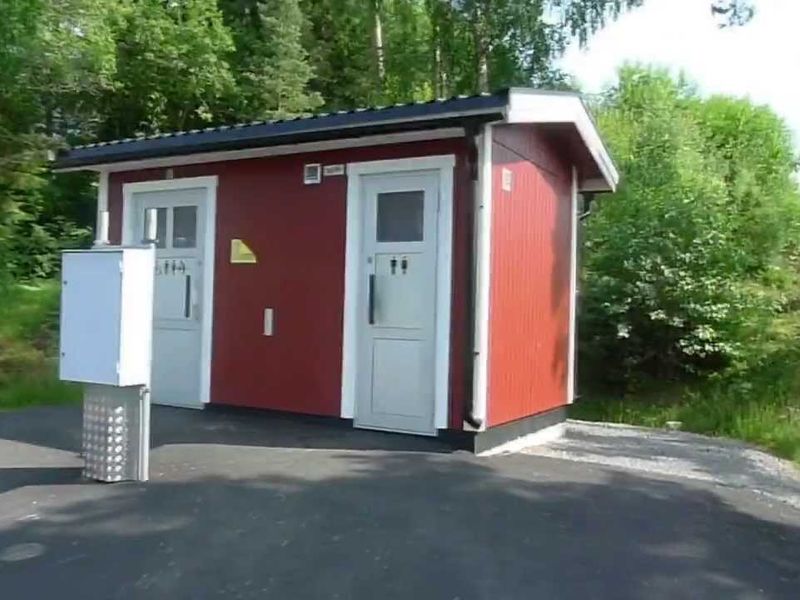
The third minus is toilets. Sorry for the down‑to‑earth topic, but it’s an objective reality. In the West toilets are fine in terms of sanitation, but they aren’t built for mass raids. Since the vast majority in an average group are women, they have to stand in long queues at restroom stops. By the way, bring small change (50 eurocents) — facilities at rest stops are paid.
Helpful tips
We’ve finished with the minuses. Everything else is mostly pluses. Seriously. We won’t talk about the wonderful routes — choose from the many yourself. Let’s turn to strictly practical matters.
One of the main questions: what to take with you? Practical clothing. Minimal dress‑up outfits — alas, luxurious dinners in five‑star hotels are unlikely. And comfortable shoes, definitely not new ones. And a suitcase on wheels. You’ll be moving from place to place constantly. However, keep a small bag with your passport and money on you, and also a larger container for the most necessary items on the road — a sweater for cold snaps, an umbrella, slippers, a camera, a bottle of mineral water, a simple set of utensils — a mug for tea (during stops you must be provided with boiling water), a spoon, a bottle opener.
Lately requirements about carried food have become stricter. Don’t bring sliced meats or yogurts bought at home. Everything can be bought cheaply in minimarkets right after crossing the border — in Poland, for example. Just bring small bills (dollars or euros), because change from a 'big bill' will almost certainly be given in zlotys. And what will you do with them when you’re just passing through the country in transit?

Seats on the bus are reserved in advance. If nature has blessed you with a big build and tall height, sit at the aisle. Although a bus tour is not the best type of travel for large‑framed travelers. Avoid the 'galley' (rear seats) if you have circulation problems or are prone to motion sickness. Be sure to get out and stretch at stops. Transfers are very long, and many people’s legs swell, which can be quite dangerous. In the heat drink more, even if you don’t feel like it. Don’t allow dehydration. In case of serious illness or accidents, immediately contact your medical insurance company by phone (they operate around the clock).
It’s well known that when going abroad you should make a photocopy of your passport and keep it somewhere separate from the original — at least in the wheeled suitcase. Everyone knows this, but 99% of tourists ignore the photocopy, thus creating a terrible headache for themselves and the group leader if the passport is lost. It is strictly not recommended to leave valuables and documents on the bus. There are whole gangs that specialize in targeting tourists. As soon as the bus empties and everyone rushes off to see the next sights, the guys get to work. For them, breaking into a closed bus isn’t a big problem.
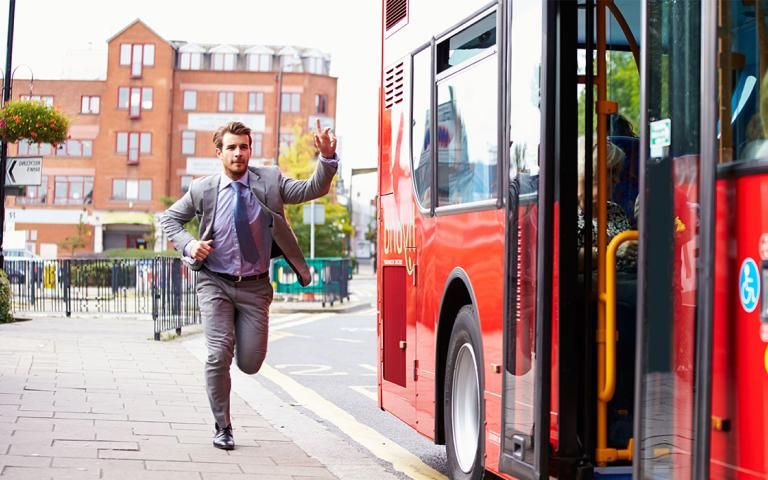
It’s extremely unpleasant to get lost and be late for the appointed time. First, lateness brings moral costs (see above), and second, material ones. The bus may wait for you very little time, so you’ll have to catch up with the group at your own expense. You should have all route points and hotel addresses on hand from the very beginning. A few times in my life I had to step into the guide’s shoes. I remember well how, arriving in Paris after a sleepless night, I let the tourists 'graze' in the nearby shops. At the agreed time it turned out one lady was missing. We waited maybe twenty minutes, then left. Only one thing comforted me: on my own initiative (later it became a rule) I had handed everyone notes with the coordinates of the hotel where we were to stop that evening. Still, with a heavy heart I arrived at the indicated address. My joy was beyond words: in the hotel lobby our dear missing person was waiting for us. She looked very pleased. It turned out she hadn’t been bored here — gallant Frenchmen kept paying her attention…
Generally, get a city map (you can take one at the hotel, and sometimes guides hand them out in advance), find out which metro station is near your temporary lodging. When walking with the group, don’t relax — note visual landmarks along the route. Otherwise, if you fall behind your people and have no map, you’ll find yourself in a tricky situation. It’s great if you speak foreign languages. English is a handy lifesaver, but it’s not universal. In Italy they truly won’t understand you (if needed, ask for help from young people who look like students), in France they will sometimes pretend not to understand. The descendants of the Gauls believe that when visiting their country it’s a sin not to learn their language. They’re partly right, of course. In any case, gestures, facial expressions, and simple words will help. They’ll eventually put you back on the right road. Learn to say at least "thank you" in the local language. And you’ll surely get a smile in return!











